Commercial Waterproofing Ballarat Vic
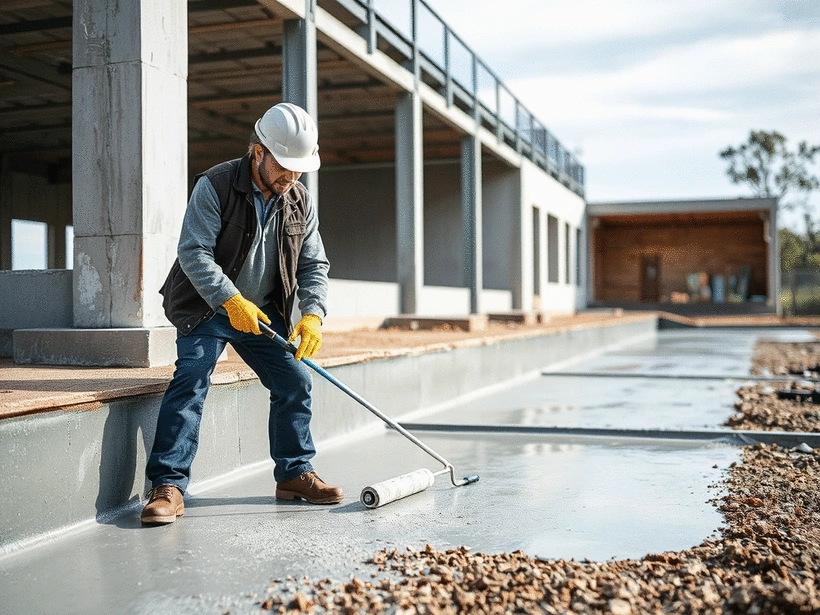
Have you ever considered how water damage can silently wreak havoc on your commercial property? Understanding the importance of waterproofing can mean the difference between a thriving business environment and a costly repair nightmare.
What You Will Learn
- The significance of commercial waterproofing in safeguarding your property investment.
- Key benefits of effective waterproofing, including improved air quality and cost savings.
- Common myths about waterproofing that can lead to inadequate protection.
- Different waterproofing techniques suitable for various commercial applications.
- The importance of regular maintenance and inspections for long-term waterproofing success.
- Innovative waterproofing technologies that enhance resistance to water damage.
Commercial Waterproofing: Techniques & Maintenance
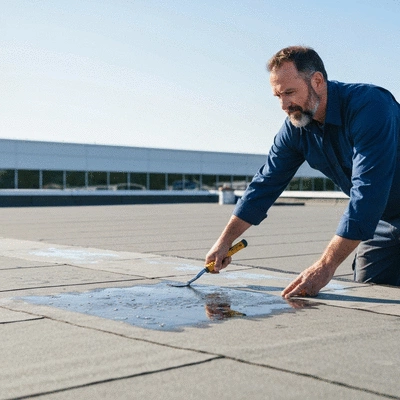
This visual outlines key waterproofing techniques for commercial spaces and crucial steps for long-term maintenance, highlighting benefits and essential practices for property protection.
Waterproofing Techniques Overview
- Sheet Membranes: Ideal for roofs & balconies.
- Liquid-Applied Membranes: Versatile for irregular surfaces.
- Bituminous Membranes: Great for below-grade applications.
Proper surface preparation is critical for effective adhesion and durability, preventing future failures.
Maintaining Waterproofing Systems
- Regular Inspections: At least twice a year (spring & autumn).
- Early Leak Detection: Crucial for preventing costly repairs.
- Professional Engagement: For detailed inspections & upgrades.
Proactive maintenance significantly extends lifespan and protects property investment.
Understanding Commercial Waterproofing in Ballarat, Victoria
As a seasoned waterproofing expert, I often emphasize the importance of commercial waterproofing for businesses in Ballarat. It’s not just about keeping water out; it's about protecting your investment and ensuring the longevity of your property. With the challenges posed by our local climate, understanding the nuances of waterproofing can save you from costly repairs down the line.
Commercial waterproofing encompasses various techniques and materials designed to prevent water ingress in buildings. But why does it matter? Water damage can lead to mold growth, structural deterioration, and an unsafe environment for occupants. That’s why proper waterproofing is crucial for maintaining the integrity of your commercial spaces, and understanding the local regulations, such as those provided by the City of Ballarat regarding building permits, is essential for compliance.
What Is Commercial Waterproofing and Why It Matters
At Ballarat Waterproofing Specialists, we define commercial waterproofing as a comprehensive approach that involves the use of membranes, coatings, and sealants applied to surfaces exposed to moisture. This practice is vital for protecting both residential and commercial properties. A well-executed waterproofing job not only safeguards your property but also enhances its value! Furthermore, adhering to guidelines like the Practitioner Education Series for Waterproofing of Wet Areas, as endorsed by the Victorian Building Authority, ensures high standards and compliance.
Key Benefits of Effective Waterproofing in Commercial Projects
- Prevention of water damage and structural integrity issues
- Improved indoor air quality by reducing mold and mildew growth
- Cost savings on repairs and maintenance in the long run
- Enhanced comfort for occupants through better temperature regulation
Investing in effective waterproofing can lead to substantial savings over time. It’s about creating a safe and sustainable environment for your business and its occupants!
Common Misconceptions About Waterproofing
- “Waterproofing is only necessary for basements.”
- “All waterproofing products are the same.”
- “Once installed, waterproofing doesn’t need maintenance.”
Many misconceptions exist surrounding waterproofing, often leading to ineffective solutions. Each project is unique and requires a tailored approach to ensure success. Remember, correct installation and regular maintenance are key to lasting protection! The National Construction Code (NCC) Part 10.2 for Wet Area Waterproofing also provides essential guidelines for proper application.
Exploring Different Waterproofing Techniques for Commercial Spaces
When it comes to commercial spaces, selecting the right waterproofing technique is essential. There are various methods, each suitable for different applications. From membrane systems to chemical treatments, understanding these options will help you make informed decisions for your property.
Overview of Membrane Systems and Their Applications
- Sheet membranes: Ideal for roofs and balconies.
- Liquid-applied membranes: Versatile for irregular surfaces.
- Bituminous membranes: Great for below-grade applications.
Each of these systems comes with its own set of advantages. I always encourage clients to consult with a waterproofing expert to determine the best fit for their specific needs and conditions.
Importance of Surface Preparation in Waterproofing Success
Surface preparation is a critical step in the waterproofing process. Proper cleaning and priming ensure that the membranes adhere effectively to the substrate, preventing future failures. A well-prepared surface leads to a more durable waterproofing solution and minimizes the risk of moisture infiltration.
At Ballarat Waterproofing Specialists, we take the time to emphasize this aspect during our projects. After all, a solid foundation is the key to success!
Did You Know?
According to industry studies, properties with effective waterproofing solutions can save up to 30% on maintenance and repair costs over a 10-year period compared to those without. Investing in waterproofing not only preserves your property but also enhances its overall value!
Frequently Asked Questions About Commercial Waterproofing
Q1: Why is commercial waterproofing important for businesses in Ballarat?
A1: Commercial waterproofing is crucial for businesses in Ballarat as it protects property investments, prevents costly repairs due to water damage, and ensures the longevity and structural integrity of commercial buildings, especially given local climate challenges.
Q2: What are the key benefits of effective waterproofing in commercial projects?
A2: Key benefits include preventing water damage and structural issues, improving indoor air quality by reducing mold and mildew, saving on long-term repair and maintenance costs, and enhancing occupant comfort through better temperature regulation.
Q3: What are some common misconceptions about waterproofing?
A3: Common misconceptions include believing waterproofing is only for basements, assuming all waterproofing products are the same, and thinking that waterproofing systems don't require maintenance after installation. Each project needs a tailored approach and regular upkeep.
Q4: What types of membrane systems are used in commercial waterproofing?
A4: Common membrane systems include sheet membranes (ideal for roofs and balconies), liquid-applied membranes (versatile for irregular surfaces), and bituminous membranes (great for below-grade applications).
Q5: How often should commercial waterproofing systems be inspected?
A5: Waterproofing systems should be inspected at least twice a year, ideally in spring and autumn, to ensure their continued effectiveness and to detect any potential issues early.
Maintaining Waterproofing Systems for Long-Term Success
Ensuring that your waterproofing systems remain effective over time is crucial for the protection of your property. As someone dedicated to safeguarding structures in Ballarat, I can tell you that establishing a regular maintenance schedule can significantly reduce the risk of water damage. Regular checks not only extend the lifespan of your waterproofing installations but also offer peace of mind. Let's dive into some essential practices that can help maintain your waterproofing systems!
Establishing a Regular Maintenance Schedule
One of the first steps in maintaining waterproofing systems is to set up a regular maintenance schedule. This proactive approach allows you to catch issues before they escalate and become costly problems. Here are some key points to consider:
- Conduct inspections at least twice a year, ideally in spring and autumn.
- Check for any visible signs of wear or damage, especially in high-risk areas like basements and rooftops.
- Implement early leak detection methods to spot potential failures before they cause significant damage.
By adhering to this maintenance routine, you can prolong the effectiveness of your waterproofing systems and protect your investment in your property.
Importance of Periodic Checks and Early Leak Detection
Periodic checks are essential for identifying small issues that can lead to major repairs if left unattended. I’ve seen firsthand how early leak detection can save our clients from a lot of headaches and expenses. Regular evaluations help ensure that your waterproofing systems function as they should, keeping water at bay.
Creating Effective Maintenance Plans for Longevity
To create a maintenance plan that works for you, consider incorporating the following elements:
- Document all maintenance activities for reference and accountability.
- Engage professional waterproofing specialists like Ballarat Waterproofing Specialists to perform detailed inspections.
- Plan for necessary repairs or upgrades based on inspection findings.
These steps will bolster the longevity of your waterproofing systems, ensuring they continue to protect your property effectively.
Utilizing Advanced Waterproofing Solutions and Technologies
As technology evolves, so do the solutions available for waterproofing. It's essential to stay updated on the latest advancements to ensure you’re getting the best protection for your property. Here are some innovative options to consider:
Exploring Hydrophobic Materials for Enhanced Water Resistance
Hydrophobic materials repel water, providing an additional layer of defense against moisture intrusion. They can be particularly effective in high-risk areas. Incorporating these materials into your waterproofing strategy can greatly enhance your building’s overall resistance to water damage.
Incorporating Energy Efficiency and Thermal Protection in Designs
Today’s waterproofing solutions can also contribute to energy efficiency! By using materials that provide thermal protection, you not only enhance your waterproofing efforts but also improve your building's overall energy performance. This dual benefit can lead to cost savings and a more sustainable approach to property management.
In conclusion, maintaining waterproofing systems requires consistent effort and attention to detail. By following these guidelines and keeping up with advanced technologies, you can ensure the long-term success of your waterproofing solutions. It's all about being proactive and informed!
Recap of Key Points
Here is a quick recap of the important points discussed in the article:
- Understanding commercial waterproofing is essential for protecting investments and maintaining property integrity.
- Effective waterproofing prevents water damage, improves air quality, and enhances occupant comfort.
- Proper surface preparation is critical for successful waterproofing and longevity of systems.
- Establishing a regular maintenance schedule can significantly reduce the risks of water damage.
- Utilizing advanced waterproofing solutions like hydrophobic materials can enhance resistance to moisture intrusion.