Balcony Waterproofing Ballarat Vic
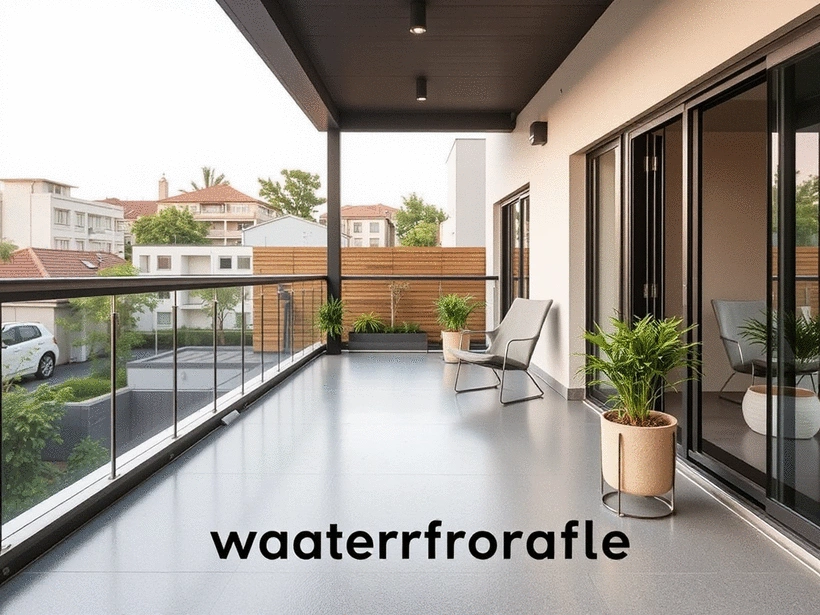
Balcony leaks can cause damage well beyond the balcony itself. Water may penetrate beneath tiles, affect adjoining walls, stain ceilings below or contribute to deterioration of building materials. For homeowners in Ballarat, effective balcony waterproofing starts with understanding how water drains from the surface, where moisture may enter and whether the existing membrane is still performing as intended.
A reliable waterproofing solution depends on the balcony's construction, surface finish, drainage arrangements and exposure to the weather. Identifying the source of a problem before carrying out repairs helps avoid treatments that only conceal the symptoms.
Understanding Balcony Waterproofing in Ballarat
Balcony waterproofing involves creating and maintaining a protective system that limits water entering the building structure. Depending on the design, this may include a waterproof membrane beneath tiles or another finish, carefully detailed junctions, sealed penetrations and effective drainage.
Ballarat's rainfall, cooler conditions and temperature changes can place demands on exposed balconies. Water may collect where drainage is inadequate, enter through defective joints or exploit cracks and other weaknesses in the surface assembly. When moisture becomes trapped beneath finishes, the underlying damage may not be immediately visible.
Homeowners should therefore consider both the visible surface and the concealed waterproofing system. New grout or surface sealant may improve a local defect, but it will not necessarily resolve a damaged membrane beneath the tiles.
For a broader overview of protecting residential properties, read our guide to waterproofing solutions for Ballarat homes.

Why Balcony Waterproofing Is Important
A balcony is exposed to rain and changing weather conditions, while its connection to the building creates potential points for water entry. If the waterproofing system or drainage details fail, moisture can affect both the balcony and the rooms or building elements beneath it.
- Limiting water penetration: A suitable membrane helps prevent water from passing into vulnerable parts of the building.
- Protecting adjoining rooms: Effective waterproofing can reduce the risk of leaks affecting internal walls, ceilings and finishes.
- Managing moisture-related deterioration: Keeping water away from susceptible materials can help limit damage associated with prolonged dampness.
- Supporting effective drainage: Correct falls and clear outlets help water move away instead of collecting on the balcony.
- Reducing avoidable repair work: Early investigation of leaks can help identify defects before they affect a larger area.
Waterproofing does not automatically eliminate every moisture problem. Poor drainage, leaking plumbing, defective flashing or water entering through another part of the building may also need attention.
Common Balcony Waterproofing Problems
Recognising early warning signs can help homeowners decide when a balcony needs closer inspection. The following problems are worth investigating, particularly when they recur after rainfall.
1. Leaking Balconies
Water appearing on a ceiling below a balcony, damp patches on adjoining walls or staining around balcony doors can indicate water entry. The source may be a failed membrane, a defective junction, damaged flashing, an inadequately sealed penetration or a drainage problem.
The location of a stain does not always identify the entry point. Water can travel through concealed spaces before becoming visible, so the investigation should consider the entire affected area.
Where a leak is recurring, avoid relying solely on surface sealant or fresh grout. The underlying cause needs to be identified before an appropriate repair can be chosen.
For further guidance, see identifying and repairing balcony leaks.
2. Cracked Surfaces and Deteriorating Joints
Cracks can develop in concrete, grout, tiles and other balcony finishes for several reasons, including movement, ageing, installation defects and temperature changes. Their presence does not necessarily mean the waterproofing membrane has failed, but it can indicate that closer assessment is warranted.
Pay attention to cracks that widen, reappear after repairs or occur alongside dampness, loose tiles or staining. Joints around doors, balustrade fixings, wall junctions and penetrations also deserve attention because these locations can be vulnerable to water entry.
Repairs should suit the material and the amount of movement expected. Applying a rigid filler to a joint that needs flexibility may not provide a durable result.
3. Poor Drainage and Standing Water
Balconies need a suitable drainage arrangement to prevent water from accumulating against walls, doors and other vulnerable details. Pooling may be associated with inadequate surface falls, blocked outlets, an unsuitable drain position or changes in the finished surface.
After rainfall, check whether water remains in the same areas, whether the outlet is obstructed and whether water is collecting near the building. Do not assume that a balcony must be completely dry immediately after rain, but persistent pooling should be investigated.
Clearing debris may resolve a simple blockage. If the surface falls or drainage layout is defective, more substantial work may be necessary.
4. Deteriorating Waterproofing Materials
Waterproofing systems can deteriorate through age, movement, exposure, incompatible repairs or damage during later building work. Some problems are visible around exposed edges and junctions, while membranes beneath tiles may be concealed.
Warning signs include recurring leaks, loose finishes, failed sealant and moisture appearing in adjoining areas. A visual inspection alone may not establish the condition of a concealed membrane, and investigation may require selective removal of finishes.
How Balcony Waterproofing Membranes Work
A waterproofing membrane forms a protective layer intended to prevent or limit water penetration through the surfaces it covers. Its performance depends on more than the membrane material itself. Surface preparation, installation, junction detailing, drainage and compatibility with other building materials all matter.
Liquid-Applied Membranes
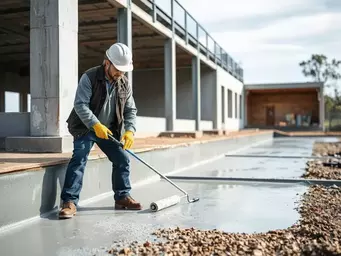
Liquid membranes are applied to a prepared substrate and form a continuous coating when installed and cured according to the manufacturer's instructions. They can be useful on balconies with corners, changes of plane and other details that require careful coverage.
Correct application is important. The substrate must be suitable and properly prepared, and the specified coverage, thickness, reinforcement and curing requirements must be followed. The finished system must also be compatible with the intended tile adhesive or surface finish where applicable.
Sheet Membranes
Sheet membranes are installed over prepared surfaces and joined using the method specified for the particular product. They can provide a consistent membrane layer, but their performance depends on properly formed seams, corners, edges and penetrations.
The suitability of a sheet membrane depends on the balcony design, substrate, expected movement, exposure and intended finish. It should be selected as part of a complete waterproofing system rather than as an isolated product.
Junctions, Edges and Penetrations
Transitions between the balcony floor and adjoining walls, door thresholds, drainage outlets and penetrations can be particularly important. These details must work together with the membrane to prevent water from bypassing the protective layer.
Balustrade fixings and other components that penetrate the waterproofing system require appropriate detailing. Adding sealant around a fixing without understanding how the original system was constructed may not address the underlying problem.
Choosing the Right Waterproofing Solution
There is no single membrane or repair method suitable for every balcony. The best approach depends on the condition of the existing construction, the source of any leak and whether the work involves a new balcony or an existing one.
Before selecting a solution, consider the following factors:
- Existing surface: Determine whether the balcony has concrete, tiles, a coating or another finish.
- Condition of the substrate: Cracks, loose materials, contamination and movement may need to be addressed before waterproofing.
- Drainage: Check that outlets are suitable and that the surface directs water towards them.
- Membrane compatibility: Confirm that the proposed product suits the substrate and any finishes installed over it.
- Junction details: Consider doors, walls, edges, penetrations and connections to adjoining building elements.
- Access and repair scope: Determine whether the existing membrane can be accessed or whether finishes must be removed.
- Maintenance requirements: Understand how the completed system should be inspected and maintained.
In some cases, a local repair may be appropriate. If the membrane has widespread defects or the underlying drainage design is inadequate, more extensive remedial work may be required.
Maintenance Tips for Balcony Waterproofing
Regular checks can help identify developing problems, especially after heavy rainfall or work carried out near the balcony. Maintenance cannot compensate for a defective membrane, but it can help prevent avoidable drainage problems and highlight changes that need investigation.
Keep Drainage Outlets Clear
Remove leaves and loose debris from accessible drainage outlets and keep nearby gutters and downpipes clear where they serve the balcony. Do not alter drainage components without understanding how the system is designed to operate.
Inspect Visible Joints and Edges
Look for cracked or separated sealant, deteriorating grout, damaged surface coatings and changes around door thresholds or wall junctions. These signs do not prove membrane failure, but they can help identify areas requiring closer inspection.
Monitor Water Pooling
Observe how water drains after rainfall. Persistent pooling, water collecting against a door or wall, or repeated overflow from an outlet may indicate a drainage or surface-fall issue.
Investigate Leaks Promptly
If damp patches, ceiling stains or recurring leaks appear, record where and when they occur. Note whether the problem follows rain or seems related to water use in an adjoining area. This information may help narrow down the possible source.
Use Sealers and Coatings Only Where Suitable
Concrete sealers and deck coatings can have useful applications, but they are not interchangeable with a dedicated balcony waterproofing membrane. A sealer may reduce surface absorption, while a coating may protect a particular finish or provide a specified slip-resistant surface.
Before applying a product, confirm that it is suitable for the existing surface and exposure. An incompatible coating may affect adhesion, alter drainage behaviour or complicate future repairs. Follow the manufacturer's preparation and maintenance instructions.
For information about protecting other wet areas in the home, see our bathroom waterproofing guide for Ballarat.
Are Eco-Friendly Waterproofing Products Available?
Homeowners may wish to consider the environmental characteristics of waterproofing products when planning balcony repairs. Options vary between manufacturers, and a product described as environmentally friendly is not necessarily suitable for every application.
When comparing products, consider the following:
- Low-VOC formulations: Where available, products with lower volatile organic compound content may help reduce emissions during application. Check the product's technical information and any ventilation requirements.
- Product durability: A suitable, durable system may reduce the need for premature replacement and repeated material use.
- Material composition: Review manufacturer information for recycled content, packaging and disposal considerations where these are relevant.
- Application and curing requirements: Confirm that the product can be installed under the expected site conditions and within the required temperature and moisture limits.
- Suitability for the balcony: Environmental preferences should not override the need for a waterproofing system appropriate to the construction and exposure.
Do not assume that a sealer is biodegradable, that recycled content is available or that a product has a lower environmental impact without checking reliable product information. The priority remains selecting a system that is suitable for the balcony and installing it correctly.
Understanding Curing Times and Access After Waterproofing
Waterproofing products need to be allowed to cure or dry as specified before subsequent work or normal use. The time required varies according to the product, application thickness, substrate, temperature, humidity and site conditions.
Before work begins, ask for clear instructions covering:
- How long the surface must remain undisturbed after application.
- When tiling, coating or other subsequent work can begin.
- When the balcony can be exposed to rain or cleaning.
- When foot traffic and normal use can safely resume.
- Whether weather conditions could delay the work or affect curing.
Do not rely on a general estimate such as 24 hours for every waterproofing product. Follow the instructions for the specific system being installed, and allow for any additional time required by site conditions.
Choosing a Balcony Waterproofing Contractor in Ballarat
Before engaging a contractor, make sure the proposed work addresses the cause of the problem and explains what is included in the repair. This is especially important where water has affected the ceiling below, adjoining walls or concealed building materials.
Useful questions to ask include:
- What is the likely source of the leak, and what evidence supports that assessment?
- Can the existing membrane be repaired, or will the surface finish need to be removed?
- Which waterproofing system is proposed, and why is it suitable for this balcony?
- How will drainage, door thresholds, wall junctions and penetrations be treated?
- What preparation and curing time will be required?
- Will the work affect the balcony's finished height, drainage or adjoining components?
- What product documentation and written warranty terms are available, where applicable?
- What maintenance will be required after completion?
For relevant projects, ask how the proposed work will address applicable building requirements and any necessary approvals. Requirements depend on the building, the type of work and the circumstances of the project, so they should be considered where directly relevant rather than assumed to be identical for every balcony.
You can also explore our guide to waterproofing solutions in Ballarat for information about other parts of a residential property.
Frequently Asked Questions About Balcony Waterproofing
What is balcony waterproofing?
Balcony waterproofing uses a suitable membrane and associated detailing to limit water entering the building structure. The complete system must account for the surface, drainage, junctions, penetrations and intended finish.
What are the signs of a leaking balcony?
Possible signs include water stains on ceilings below, damp adjoining walls, loose tiles, recurring moisture, deteriorating sealant and water pooling. These symptoms can have different causes, so further investigation may be necessary.
Does cracked grout mean the waterproofing membrane has failed?
Not necessarily. Cracked grout can result from movement, installation issues or deterioration. However, it may warrant investigation, particularly if leaks or damp patches are also present.
Can a leaking balcony be repaired without removing the tiles?
Sometimes a local repair is possible, depending on the source of the leak and the condition of the existing system. If the membrane is defective beneath the tiles or the drainage arrangement is inadequate, removing some or all of the finish may be necessary.
Are liquid membranes better than sheet membranes?
Neither type is best for every situation. The choice depends on the balcony's design, substrate, exposure, junction details and the compatibility of the complete system.
How often should a balcony be inspected?
Inspection frequency depends on the balcony's age, exposure, materials and maintenance requirements. Check accessible drainage outlets and visible surfaces periodically, and investigate any new leaks, cracks or persistent pooling promptly.
Can I apply a concrete sealer to waterproof my balcony?
A concrete sealer may reduce surface absorption in suitable applications, but it should not automatically be treated as a replacement for a balcony waterproofing membrane. Check the product's intended use and establish whether the existing waterproofing system is intact.
Are eco-friendly waterproofing products suitable for balconies?
Some products may offer environmental characteristics such as lower VOC content or recycled components. Suitability depends on the product specifications and the balcony's requirements. Verify the manufacturer's information before choosing a system.
Planning Your Balcony Waterproofing Project
Successful balcony waterproofing depends on identifying the moisture source, selecting a suitable system and ensuring that drainage and junction details are properly addressed. Simply covering a crack or applying a surface coating may not resolve a leak if water continues to enter through a concealed defect.
Whether you are maintaining an existing balcony or investigating water damage, pay attention to recurring leaks, persistent pooling and changes around edges or doorways. Where the source is unclear, arrange an appropriate assessment before committing to repairs.
Taking a considered approach can help you choose the right repair, maintain the finished system and reduce the risk of further moisture-related damage to your Ballarat property.