Waterproofing Membranes for Commercial Use
Choosing the right waterproofing membrane can be a game-changer for the longevity and safety of your commercial property. With the unique climate of Ballarat, understanding the various types of membranes and regulatory requirements is essential for a successful project. Let's explore the key lessons you will take away from this article.
What You Will Learn
- Waterproofing membranes are essential for protecting commercial structures from water damage.
- Factors like local climate conditions and building type significantly influence the choice of waterproofing membranes in Ballarat.
- Familiarity with Australian Standards and local regulations is crucial for compliance and safety in waterproofing projects.
- Different types of waterproofing membranes, such as liquid-applied and sheet membranes, come with distinct advantages and limitations.
- Selecting the right material—EPDM, PVC, TPO, Polyurethane, or Polyurea—depends on specific project needs and environmental factors.
- Incorporating vapor barriers is essential for effective moisture control, particularly in humid climates like Ballarat.
Comparing Waterproofing Membrane Types & Key Material Characteristics
This visual summarizes the advantages and challenges of different waterproofing membrane types, alongside a comparison of common material characteristics, to guide informed selection for commercial structures.
Liquid-Applied Membranes
- Pros: Flexibility, seamless barrier, conforms to complex shapes.
- Cons: Requires professional installation, diligent surface preparation.
Sheet Membranes
- Pros: Quick installation for large projects.
- Cons: May not perform well in high foot traffic, requires careful seam sealing.
Bituminous Membranes
- Pros: Durable, resistant to environmental stress (harsh weather), strong barrier.
- Cons: More challenging to install due to weight/rigidity.
Vapor Barriers
- Purpose: Prevent water vapor penetration, reduce mold growth & structural damage.
- Importance: Crucial for comprehensive moisture management, works with membranes.
Material Comparisons: Key Characteristics
● EPDM
Excellent durability & UV resistance, ideal for flat roofs.
● PVC
Lightweight, good flexibility, common in commercial settings.
● TPO
Energy-efficient, easy to install, popular for green building projects.
● Polyurethane
Highly versatile, may require professional installation.
● Polyurea
Fast-curing, robust, suitable for quick turnaround areas.
Understanding Waterproofing Membranes for Commercial Structures in Ballarat
What Are Waterproofing Membranes and Why Are They Essential?
Waterproofing membranes play a critical role in safeguarding commercial structures from water damage. These membranes act as protective barriers, preventing moisture ingress that can lead to significant structural issues over time. It's essential for businesses in Ballarat to understand that investing in these solutions not only enhances the longevity of their properties but also ensures safety and comfort for their occupants.
In Ballarat, where rainfall and humidity can create challenges, the right waterproofing membrane is vital. These products are designed to withstand various environmental pressures, keeping your building dry and compliant with local regulations. For a deeper understanding of these protective layers, you can refer to detailed information on waterproofing membranes provided by the state of Massachusetts.
Key Considerations for Choosing Waterproofing Membranes in Ballarat
When selecting waterproofing membranes, several factors unique to Ballarat's climate come into play:
- Local Climate Conditions: Understanding regional rainfall patterns can influence your choice of membrane.
- Building Type: Different structures, such as warehouses versus retail spaces, may require specific membrane characteristics.
- Compliance with Australian Standards: It's essential to select membranes that meet local building codes to ensure safety and quality.
These factors are crucial for ensuring that your waterproofing solutions provide effective, long-lasting protection. At Ballarat Waterproofing Specialists, we recommend evaluating these aspects thoroughly to make an informed choice tailored to your specific needs. For more technical specifications, you might review details from the City of San Diego on waterproofing specifications, which can offer valuable insights into robust standards.
Exploring Building Codes and Regulatory Compliance for Waterproofing in Ballarat
Understanding the relevant building codes and regulations is a key aspect of waterproofing in Ballarat. These regulations govern everything from installation methods to material selection, ensuring that all waterproofing practices meet safety and quality standards.
In particular, be aware of:
- Australian Standard AS 3740: This standard outlines waterproofing for wet areas within residential and commercial properties.
- Local Council Regulations: Each council may have additional requirements that impact your waterproofing solutions.
- Environmental Considerations: Sustainable practices and materials are increasingly encouraged in building projects.
By familiarizing yourself with these standards, you can ensure that your waterproofing project aligns with both legal requirements and best practices, ultimately protecting your investment. Further technical guidance on robust waterproofing applications can be found in resources like the Texas Department of Transportation's specifications for waterproofing membranes, which offers a comprehensive view of durable applications.
Comparing Different Types of Waterproofing Membranes
Liquid-Applied Membranes: Advantages and Limitations
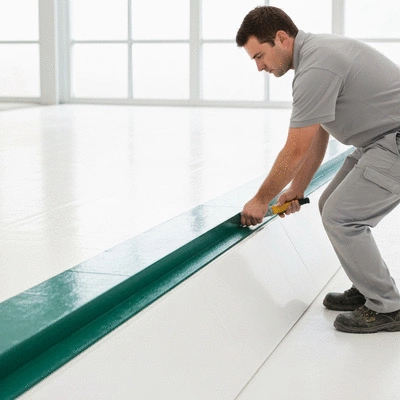
Liquid-applied membranes offer flexibility and ease of application, making them a popular choice for commercial properties. These membranes can conform to complex shapes and provide a seamless barrier, effectively preventing water ingress. However, they may require professional installation and diligent surface preparation to ensure optimal performance.
Sheet Membranes: Pros and Cons
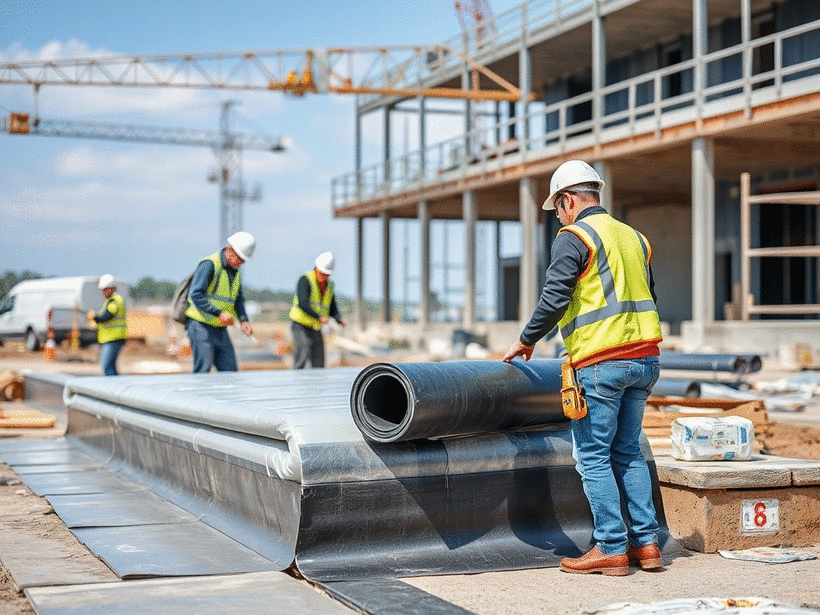
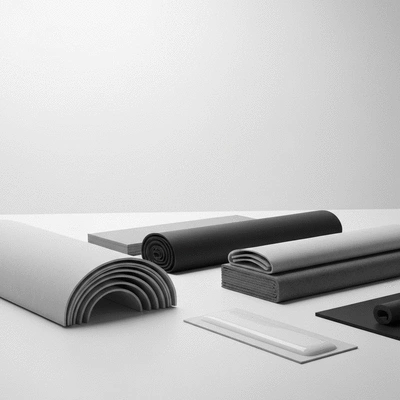
Sheet membranes are another option worth considering. They come in rolls and can be installed quickly, making them suitable for larger projects. However, they might not perform as well in areas with significant foot traffic and may require careful seam sealing to prevent leaks.
Bituminous Membranes: Characteristics and Applications
Bituminous membranes are known for their durability and resistance to environmental stress. They are particularly effective in commercial settings where exposure to harsh weather is a concern. Their thicker profile provides a strong barrier, but they can be more challenging to install due to their weight and rigidity.
Material Comparisons: EPDM, PVC, TPO, Polyurethane, and Polyurea
In the market today, several materials are available for waterproofing membranes:
- EPDM: Excellent durability and UV resistance, ideal for flat roofs.
- PVC: Lightweight with good flexibility, often used in commercial settings.
- TPO: Energy-efficient and easy to install, popular for green building projects.
- Polyurethane: Highly versatile but may require professional installation.
- Polyurea: Fast-curing and robust, suitable for areas needing quick turnaround.
Evaluating these materials based on your specific project needs can help you select the most effective waterproofing solution for your commercial structure.
Understanding Vapor Barriers and Their Importance in Moisture Control
Vapor barriers are an essential component of moisture control in commercial structures. They help prevent water vapor from penetrating building materials, which can lead to mold growth and structural damage.
In Ballarat, where humidity levels can fluctuate, incorporating vapor barriers in your waterproofing strategy can significantly improve the longevity of your building. These barriers work hand-in-hand with waterproofing membranes to create a comprehensive moisture management system.
Frequently Asked Questions About Waterproofing Membranes
What is the primary purpose of waterproofing membranes in commercial structures?
Waterproofing membranes serve as protective barriers to prevent moisture ingress, safeguarding commercial structures from water damage and enhancing their longevity, safety, and comfort for occupants.
What factors should influence the choice of a waterproofing membrane in Ballarat?
Key factors include Ballarat's local climate conditions (rainfall and humidity), the specific type of commercial building (e.g., warehouse vs. retail space), and compliance with Australian Standards and local council regulations.
Are there different types of waterproofing membranes, and what are their main characteristics?
Yes, common types include liquid-applied membranes (flexible, seamless), sheet membranes (quick installation for large areas), and bituminous membranes (durable, resistant to environmental stress). Each has distinct advantages and limitations.
What materials are commonly used for waterproofing membranes, and what are their applications?
Materials include EPDM (durability, UV resistance for flat roofs), PVC (lightweight, flexible for commercial settings), TPO (energy-efficient for green buildings), Polyurethane (versatile), and Polyurea (fast-curing for quick turnaround areas).
Why are vapor barriers important in a waterproofing strategy?
Vapor barriers are crucial for moisture control, preventing water vapor from penetrating building materials. This reduces the risk of mold growth and structural damage, especially in humid climates like Ballarat, working with membranes for comprehensive moisture management.
We Want to Hear From You!
What factors are most important to you when selecting a waterproofing membrane for your commercial property? Share your thoughts below:
Concluding Insights on Waterproofing Membranes in Ballarat
As we wrap up our exploration of waterproofing membranes tailored for commercial structures, it’s crucial to highlight the essential considerations that should guide your selection process. Whether you opt for liquid-applied membranes, sheet options, or bituminous types, understanding their unique advantages and limitations is key. By keeping in mind the local climate and specific project needs, you can make an informed decision that protects your investment.
- Understand the Role: Identify how different membranes protect against water damage.
- Climate Considerations: Factor in Ballarat's weather and potential moisture issues.
- Compliance: Ensure adherence to local building codes and standards.
- Long-Term Value: Evaluate lifecycle costs and maintenance requirements.
By considering these elements, you're well-equipped to choose the right waterproofing solution for your commercial property.
Next Steps: Engaging with Professionals for Your Waterproofing Needs
Ready to take the next step? I highly recommend consulting with local experts at Ballarat Waterproofing Specialists. Our team is dedicated to providing tailored advice that suits your specific project requirements. We’ve been in the industry long enough to understand what works best in our unique climate, and we're here to guide you through every aspect of your waterproofing needs.
We can help you navigate the complexities of membrane selection, installation, and compliance, ensuring your project is in good hands from start to finish. Why not reach out today for a personalized consultation? Your property deserves the best protection against water damage!
Customer Testimonials and Case Studies: Learning from Real Experiences
Hearing from satisfied clients is one of the best ways to understand the effectiveness of various waterproofing solutions. At Ballarat Waterproofing Specialists, we've had the pleasure of working on numerous successful projects. Here are a few testimonials that showcase our commitment to quality and customer satisfaction:
- “Clara and her team transformed our warehouse! The waterproofing solution they provided has held up beautifully through heavy rains.” - John, Business Owner
- “The expertise and attention to detail at Ballarat Waterproofing Specialists made all the difference in our retail space renovation.” - Sarah, Retail Manager
- “I appreciated the thorough explanation of all options and the high-quality work. I feel more secure in my investment now!” - Mark, Property Developer
These experiences highlight the value of choosing a specialized waterproofing partner, reinforcing the importance of proper membrane selection and installation.
Recap of Key Points
Here is a quick recap of the important points discussed in the article:
- Critical Role: Waterproofing membranes are essential for protecting commercial structures from water damage.
- Climate Considerations: Choosing membranes should consider Ballarat's unique climate conditions, including rainfall and humidity.
- Compliance with Standards: Ensure all waterproofing solutions meet Australian building codes and local regulations.
- Material Options: Evaluate different types of membranes (liquid-applied, sheet, bituminous) based on specific project needs.
- Vapor Barriers: Incorporating vapor barriers is crucial for effective moisture control in commercial buildings.
- Professional Guidance: Consulting with experts is recommended for tailored waterproofing solutions that protect your investment.
As we conclude, remember that a well-informed choice in waterproofing can safeguard your investment and ensure the safety of your commercial property.