Recognizing Roof Waterproofing Needs
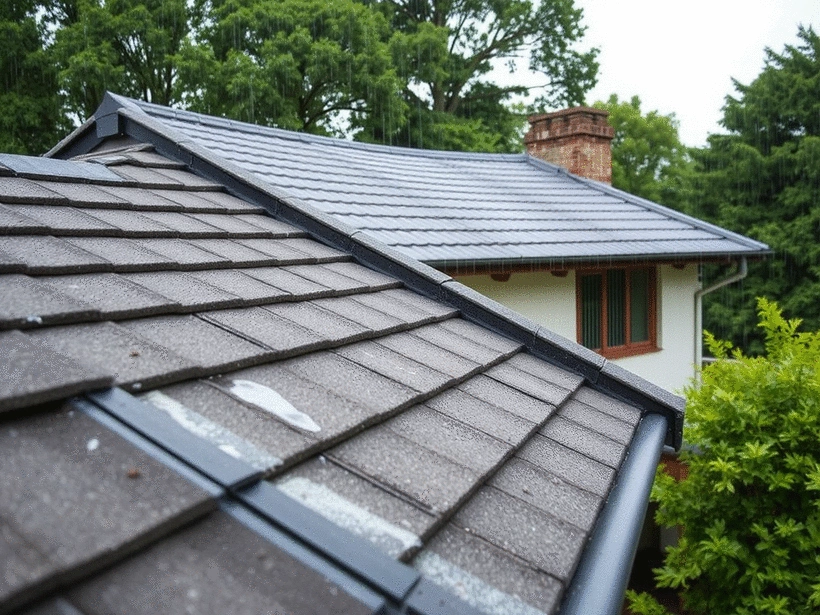
Have you noticed unusual stains on your ceilings or lingering musty odors in your home? These might be more than just cosmetic issues; they could be signs that your roof is crying out for help. Understanding the warning signs of roof waterproofing problems is crucial for every homeowner.
What You Will Learn
- Identify key symptoms of roof waterproofing issues, such as water stains and damp patches.
- Understand the implications of peeling and bubbling paint as indicators of moisture problems.
- Recognize the importance of inspecting for cracked or missing roofing materials to prevent leaks.
- Learn how musty odors and mold growth can affect your health and signal waterproofing issues.
- Assess the risks associated with untreated roof leaks, including potential structural damage.
- Get actionable steps for creating a maintenance checklist to prioritize roof repairs.
- Discover different repair options and their costs to make informed decisions about roof maintenance.
- Explore DIY waterproofing techniques and when to seek professional help for more serious issues.
Key Indicators of Roof Waterproofing Issues and Solutions
Understanding potential roof issues and their solutions is crucial for homeowners. Below we break down common symptoms by severity and outline typical repair options.
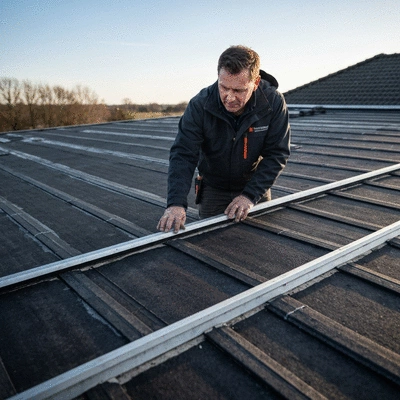
Understanding the Warning Signs of Roof Waterproofing Issues in Ballarat Homes
As a seasoned waterproofing expert at Ballarat Waterproofing Specialists, I've seen firsthand how essential it is to recognize the warning signs of roof waterproofing issues. Many homeowners in Ballarat overlook these indicators, which can lead to severe water damage if not addressed promptly. Let’s dive into the common symptoms that may signal your roof needs immediate attention!
Identifying Common Symptoms Indicating Roof Waterproofing Needs
Water Stains and Damp Patches: What They Reveal
One of the most visible signs of roof waterproofing issues are water stains and damp patches on ceilings and walls. These stains can vary in color from yellow to brown and often indicate hidden leaks. If you notice these patches, it’s crucial to act quickly, as they can lead to further structural damage if not addressed! Guidelines from the Indian Railways Institute of Civil Engineering emphasize the importance of timely intervention in waterproofing issues.
- Look for dark spots on your ceiling or walls.
- Check for any sagging areas, which can indicate accumulated water.
- Inspect areas around chimneys, vents, and skylights, as they are common leak points.
Identifying these stains early can save you from costly repairs down the line. Trust me, as a homeowner, you’ll want to tackle this before it escalates!
Peeling and Bubbling Paint: Key Indicators of Moisture Problems
Have you noticed your paint peeling or bubbling? This is often a clear sign that moisture is trapped beneath the surface. When paint loses its adhesion due to water intrusion, it can lead to unsightly and costly repairs. Pay close attention to any areas near the roof or around windows.
- Inspect for small bubbles forming in the paint.
- Check for areas where the paint appears to be lifting from the surface.
- Look at the paint's finish; a dull finish can indicate moisture issues.
Taking note of these signs can be the difference between a simple touch-up and a full repaint after water damage!
Cracked or Missing Roofing Materials: Assessing Damage
Inspect your roof regularly for any cracks or missing shingles. These physical damages can expose your home to leaks and further complications. A thorough visual inspection from the ground or a ladder can help you catch these issues before they worsen! The Asphalt Roofing Manufacturers Association provides valuable insights into how roofing systems provide waterproofing.
- Look for cracked tiles or shingles.
- Check for any missing roofing materials, especially after storms.
- Inspect flashing around chimneys and vents for signs of deterioration.
Even minor damage can worsen over time, leading to significant leaks and water intrusion. I recommend addressing any visible issues immediately!
Musty Odours and Mold Growth: Health Risks to Consider
If you detect a musty odor in your home, it’s time to investigate! This smell often signifies dampness and potential mold growth, which can pose health risks to you and your family. Mold thrives in moist environments, making it crucial to resolve waterproofing issues as soon as they arise.
- Look for visible mold, especially in corners, on walls, or in hidden spaces like attics.
- Check for unexplained allergy symptoms among family members, as mold can exacerbate these issues.
- Ensure proper ventilation in areas prone to moisture like bathrooms and kitchens.
Addressing these signs right away is not just about protecting your home; it’s about safeguarding your health!
Understanding the Risks of Roof Leaks and Water Damage
How Roof Leaks Can Lead to Structural Issues
Roof leaks, if left untreated, can lead to serious structural problems in your home. Water can seep into walls, ceilings, and even the foundation, leading to costly repairs. I’ve seen properties that faced major structural damage simply because leaks were ignored!
- Water can weaken structural beams and supports.
- It can lead to extensive mold issues, impacting indoor air quality.
- Moisture can cause wood rot and other deterioration.
It’s vital to respond to any leaks promptly to avoid escalating repair costs!
The Role of Temperature and Humidity in Water Damage
In Ballarat, temperature fluctuations and high humidity levels can exacerbate water damage issues. Understanding how these environmental factors interact with your roofing can help you take proactive measures. Regular inspections and maintenance are essential in our climate! For more information on effective waterproofing, resources like Green Grid Roofs offer insights into waterproofing design.
- High humidity can lead to condensation and moisture buildup.
- Temperature changes can cause roofing materials to expand and contract, potentially leading to cracks.
- Keeping an eye on weather forecasts can help you prepare for seasonal impacts on your roof.
Being aware of these factors will help you maintain the integrity of your roof for years to come!
Pro Tip
Did you know? Regularly inspecting your roof for minor issues can save you thousands in repairs down the line. Make it a habit to check your roof at least twice a year, especially after heavy storms. Catching problems early can prevent small leaks from turning into major water damage!
Practical Next Steps After Identifying Roof Waterproofing Signs
Once you've noticed the signs of roof waterproofing issues, it's time to take action! Ignoring these warning signs can lead to significant damage and costly repairs down the road. At Ballarat Waterproofing Specialists, we recommend having a clear plan to tackle these issues effectively. Let’s explore the practical next steps you can take to protect your home.
Creating an Actionable Checklist for Homeowners
The first step to addressing roof waterproofing signs is to create a checklist that outlines what needs to be done. This checklist will not only help you stay organized but also ensure you don’t miss any critical steps. Here’s a quick reference guide to help map symptoms to their severity:
- Minor Symptoms: Small water stains or damp patches—these may indicate a minor leak that can often be fixed with a simple repair.
- Moderate Symptoms: Peeling paint or bubbling—these signs suggest moisture is present and could lead to further damage if not addressed.
- Severe Symptoms: Cracked roofing materials or extensive mold growth—these issues require immediate professional assessment to prevent structural damage.
By categorizing symptoms, you can prioritize which issues need urgent attention. This approach not only saves you time but also helps protect your investment!
Understanding Costs and Options for Roof Repairs
When it comes to roof repairs, understanding the costs involved is crucial. Depending on the severity of the damage and the materials needed, costs can vary significantly. Here are some options to consider:
- Patch Repairs: Ideal for minor leaks, these typically cost less but provide a temporary solution.
- Full Membrane Replacement: If your roof is extensively damaged, a complete replacement may be necessary, which can be more expensive but ensures long-term protection.
- Waterproofing Treatments: These preventative measures can be applied after repairs to enhance your roof's longevity and resilience against future damage.
At Ballarat Waterproofing Specialists, we’re here to discuss your options and help you find a solution that fits your budget. Don’t hesitate to reach out for personalized advice!
Exploring DIY Waterproofing Techniques and Their Effectiveness
If you're feeling handy, there are some DIY waterproofing techniques you can try. However, it's essential to understand their limitations. Here are a few methods you might consider:
- Sealants: Applying a quality sealant can help address minor leaks but might not be a long-term solution.
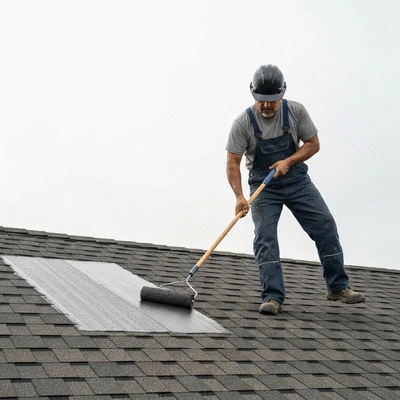
- Roof Coatings: These can provide a protective layer over your existing roof, but proper application is key to their effectiveness.
- Regular Maintenance: Conducting your inspections and maintenance can prevent small issues from becoming significant problems.
While these DIY methods can be effective, remember that some issues require expert intervention. If you’re ever in doubt, it's best to consult a professional. Your home’s safety is worth it!
Frequently Asked Questions About Roof Waterproofing
- What are the most common signs of roof waterproofing issues?
- The most common signs include water stains and damp patches on ceilings and walls, peeling or bubbling paint, cracked or missing roofing materials, and musty odors or visible mold growth inside your home.
- How often should I inspect my roof for waterproofing problems?
- It is recommended to inspect your roof at least twice a year, typically in the spring and fall, and especially after heavy storms or severe weather conditions, to catch minor issues before they escalate.
- Can I fix minor roof waterproofing issues myself?
- Minor issues like small leaks can sometimes be addressed with DIY methods such as applying sealants or protective roof coatings. However, for more extensive damage or if you're unsure, it's always best to consult a professional to ensure a long-term solution.
- What are the potential health risks associated with untreated roof leaks?
- Untreated roof leaks can lead to significant mold and mildew growth, which can trigger or exacerbate allergies, asthma, and other respiratory problems for residents. Musty odors are often an indicator of these issues.
- When should I call a professional for roof waterproofing repairs?
- You should call a professional immediately if you notice severe symptoms such as extensive cracking in roofing materials, widespread mold, significant sagging in ceilings, or any signs of structural damage. Professionals can accurately diagnose the problem and provide effective, lasting solutions.
Recap of Key Points
Here is a quick recap of the important points discussed in the article:
- Look for water stains and damp patches as they indicate potential leaks that need immediate attention.
- Peeling and bubbling paint is a clear sign of trapped moisture, which can lead to costly repairs.
- Regularly inspect roofing materials for cracks or missing shingles to prevent leaks.
- Be aware of musty odors and mold growth, which pose health risks to your family.
- Understand the severity of symptoms: minor, moderate, and severe, to prioritize necessary repairs.
- Consider professional assessments for severe symptoms to prevent structural damage.
- Explore DIY waterproofing techniques cautiously; professional help is often the safest option.
Final content section.