Waterproofing Foundations in Ballarat
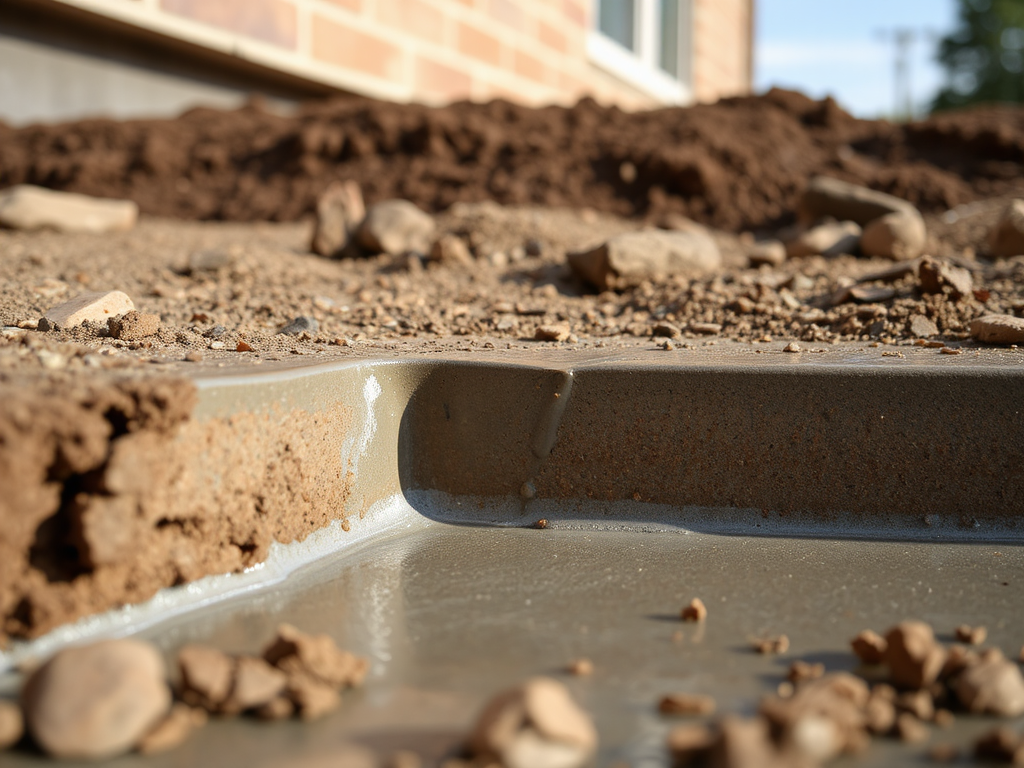
Water entering around a building's foundations can cause persistent dampness, damage to adjoining materials and deterioration that becomes more difficult to address if the underlying cause is overlooked. For property owners in Ballarat, effective foundation waterproofing starts with understanding how water moves around the building, the condition of the foundation and whether drainage or existing waterproofing has failed.
This guide explains the common causes of foundation moisture, the role of membranes and drainage, warning signs to investigate, and what to consider before arranging waterproofing work.
What You Will Learn
- How water can reach foundations and contribute to dampness.
- The difference between foundation waterproofing and drainage improvements.
- Warning signs that may require further investigation.
- How membranes, surface grading and drainage can work together.
- What to ask a contractor before approving foundation waterproofing work.
Understanding Foundation Waterproofing in Ballarat
Foundation waterproofing is designed to limit water entering through or around the parts of a building that are in contact with the ground. Depending on the construction and the source of moisture, this may involve an external membrane, repairs to existing protection, drainage improvements or a combination of measures.
The right approach depends on the foundation type, the surrounding ground, access to the affected area and the way water is reaching the structure. A damp basement wall, for example, may have a different cause from moisture rising through a ground-level wall or water collecting beside a concrete slab.
Ballarat properties experience changing weather conditions throughout the year. Rainfall, local drainage, ground conditions and the way a site has been landscaped can all influence moisture around a foundation. These factors should be assessed at the property rather than assuming every damp foundation requires the same treatment.
Why Foundation Waterproofing Matters
When water repeatedly enters a foundation or the adjoining building materials, it can contribute to several problems. The effects depend on how much moisture is present, how long it persists and the materials involved.
- Persistent dampness: Moisture can affect basement spaces, lower walls and other areas adjoining the ground.
- Damage to finishes: Paint, plaster and other finishes may blister, stain or deteriorate when exposed to ongoing moisture.
- Concrete deterioration: Water entry can contribute to deterioration where concrete is already damaged or exposed to unsuitable conditions.
- Corrosion risks: Moisture reaching embedded steel can contribute to corrosion under the relevant conditions.
- Indoor moisture problems: Damp building materials can contribute to mould growth when conditions allow it.
Waterproofing can help address moisture entry, but it should not be treated as a substitute for investigating structural movement, defective plumbing or other problems that may resemble foundation leakage.
For a broader overview of moisture protection around residential properties, see our guide to waterproofing solutions for Ballarat homes.
Common Causes of Foundation Moisture
Before selecting a waterproofing system, it is important to identify where the water is coming from. Several conditions can contribute to moisture around a building's foundations.
1. Poor Surface Drainage
When the ground slopes towards a building or water collects beside external walls, moisture can remain against the foundation for extended periods. Blocked drainage points, poorly directed downpipes and surface depressions can make the problem worse.
Check whether rainwater is being directed away from the building and whether water consistently collects in the same location. Improving surface drainage may be an important part of the solution, although it will not correct every form of foundation leakage.
2. Failed or Missing Waterproofing
Older structures or previously altered buildings may have inadequate, damaged or deteriorated waterproofing. Water can also enter through gaps around penetrations, junctions or other vulnerable details.
Where an existing membrane is suspected of failing, the affected area should be assessed to determine whether the membrane can be repaired or whether a more extensive treatment is needed. Simply coating the visible interior surface may not stop water entering from the outside.
3. Cracks and Construction Joints
Cracks in concrete and gaps at construction joints can provide pathways for water. Their significance depends on the location, width, pattern and whether movement is occurring.
Not every crack indicates a serious structural problem, but recurring leakage, widening cracks or visible displacement warrant further investigation. Waterproofing repairs should address the nature of the defect rather than conceal it without understanding its cause.
4. Ground Conditions and Changing Moisture Levels
Changes in soil moisture can affect the conditions around a foundation. The way this influences a building depends on the site's soil, drainage, foundation design and surrounding vegetation.
Tree roots may affect nearby drainage or contribute to changes in ground conditions in some circumstances, but they should not automatically be assumed to be the cause of a foundation problem. If cracking or movement is present, an appropriate assessment can help distinguish moisture ingress from other issues.
Foundation Waterproofing Methods and Moisture Control
Effective protection often involves more than one measure. The appropriate combination depends on the source of water, the foundation construction and the accessibility of the affected area.
Waterproofing Membranes
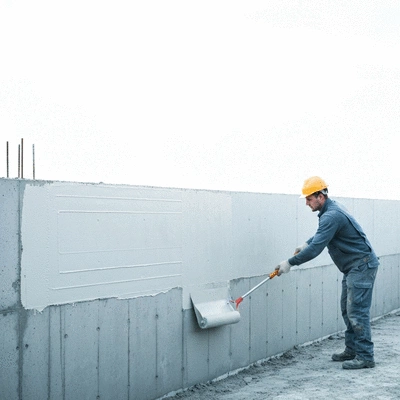
A membrane creates a protective barrier intended to restrict water penetration. External foundation membranes may be used where access permits and where the system is suitable for the substrate and ground exposure.
Installation details are important. The membrane needs to be compatible with the prepared surface, and joints, corners, penetrations and transitions must be treated according to the selected system's requirements. Any necessary protection or drainage layer should also be considered so that the membrane is not damaged during backfilling or subsequent work.
Drainage Improvements
Drainage manages water before it can accumulate around vulnerable parts of the building. Depending on the site, useful measures may include directing roof water away from the foundation, correcting surface falls, clearing drainage outlets or assessing whether a suitable subsurface drainage system is required.
Drainage design should account for where collected water will discharge. Moving water away from one part of a property without a suitable outlet can transfer the problem to another area.
Sealants and Localised Repairs
Sealants may be appropriate for certain compatible joints, penetrations or local defects. Their suitability depends on the movement expected, the substrate and the exposure to water.
A surface sealant should not automatically be regarded as a complete foundation waterproofing system. Where water is entering through a buried wall or under pressure, a more comprehensive approach may be necessary.
Internal Treatments
Internal waterproofing or moisture-control systems may be considered when external access is restricted or when the nature of the problem makes an internal approach appropriate. However, different systems perform different functions, and an internal treatment may manage visible moisture without stopping water from reaching the exterior of the foundation.
A contractor should explain what the proposed system is designed to achieve, how it addresses the source of moisture and whether additional drainage or repairs are required.
The Importance of Surface Grading and Rainwater Management
Water management around the outside of a property is an important part of foundation protection. Even a suitable membrane can be placed under unnecessary pressure if water is repeatedly allowed to collect against the building.
Consider the following checks:
- Ground levels: Look for areas where the ground slopes towards the building or where water gathers near external walls.
- Downpipes: Check that roof water is directed into an appropriate drainage point rather than discharged beside the foundation.
- Gutters and outlets: Blockages or overflow can concentrate water near vulnerable parts of the structure.
- Drainage performance: Repeated ponding or slow drainage may indicate that the existing arrangement needs attention.
- Adjacent paving: Cracked paving, poorly sealed junctions or unsuitable falls can allow water to collect close to the building.
These observations can help identify contributing factors, but they do not replace an assessment of the foundation itself. Drainage work should be suitable for the property and should not redirect water onto neighbouring land or create new problems elsewhere.
Practical Tip
If dampness becomes more noticeable after rain, note where it appears and whether the same area remains affected during dry weather. Check accessible gutters, downpipes and surface drainage. This information can help a contractor investigate whether the problem is related to rainwater management, ground moisture, plumbing or another source.
Warning Signs That a Foundation Needs Attention
Some moisture problems develop gradually, while others become obvious after heavy rain or a change in drainage conditions. Signs worth investigating include:
- Damp patches on lower walls: Repeated dampness may indicate water entering through the foundation or an adjoining wall.
- White mineral deposits: Efflorescence can appear when moisture moves through masonry or concrete and leaves salts behind.
- Peeling paint or damaged plaster: These symptoms can occur when wall finishes are exposed to persistent moisture.
- Water entering a basement: Leakage through a wall-floor junction, crack or penetration needs assessment to identify the entry route.
- Cracking or movement: Changes in cracks, uneven surfaces or visible displacement may require structural investigation rather than waterproofing alone.
- Recurring water accumulation: Water that repeatedly collects beside a foundation may indicate a drainage or ground-level problem.
These symptoms can have more than one cause. Condensation, leaking plumbing and rising damp can sometimes be confused with water entering through a foundation. Correctly identifying the source is essential to choosing a suitable treatment.
Why Prompt Investigation Can Help
Investigating a moisture problem early can help establish the extent of the issue and identify practical repair options. Leaving persistent water entry unresolved may allow damage to finishes and adjoining materials to continue.
Prompt attention is particularly important where water is entering occupied areas, electrical installations may be affected, concrete is visibly deteriorating or cracks appear to be changing. If there are signs of significant structural movement, obtain an appropriate structural assessment before relying on waterproofing repairs.
The priority is not necessarily to install a membrane immediately. In some cases, correcting a downpipe or drainage defect may be an important first step. In others, the foundation may require membrane repairs, crack treatment or a more extensive waterproofing solution.
What to Expect When Requesting a Foundation Waterproofing Quote
A useful assessment should establish the location of the moisture, the likely entry route and the condition of the affected building materials. The contractor should also consider access, drainage and any existing waterproofing system.
When discussing a quote, ask whether the proposed scope covers:
- Inspection of the affected area and identification of likely moisture sources.
- Any required testing or further investigation where the cause is uncertain.
- Surface preparation and repairs to relevant cracks, joints or penetrations.
- The proposed membrane, coating or drainage approach and why it suits the application.
- Access requirements, including any excavation or removal and reinstatement of surrounding materials.
- Product installation requirements, maintenance recommendations and any written warranty conditions that apply.
Costs and work requirements depend on the site, the extent of the problem, access and the selected system. A quote should clearly describe what is included and identify any exclusions or additional work that may be required if concealed defects are discovered.
Choosing a Waterproofing Contractor in Ballarat
When comparing contractors, look for a clear explanation of the moisture problem and a proposed solution that matches the construction and exposure conditions. A recommendation should go beyond applying a generic sealant to the visible area.
Useful questions include:
- How will you determine where the water is entering?
- Does the issue appear to involve waterproofing, drainage, plumbing or possible structural movement?
- Why is the proposed system appropriate for this foundation?
- What preparation, repairs or excavation will be necessary?
- How will water be managed after the work is complete?
- What is included in the written scope, and what limitations or warranty conditions apply?
Ask the contractor to explain any uncertainties and whether further specialist assessment is needed before work proceeds. For additional guidance on comparing providers, see our article about waterproofing services in Ballarat.
Frequently Asked Questions About Foundation Waterproofing
- What is foundation waterproofing?
- Foundation waterproofing uses suitable membranes, detailing and related moisture-control measures to reduce water entering through or around a building's foundation. The correct approach depends on the building and the source of moisture.
- What causes foundation moisture in Ballarat?
- Possible causes include poor surface drainage, rainwater discharged near the building, damaged or missing waterproofing, cracks, leaking plumbing and moisture in the surrounding ground. An assessment is needed to identify the cause at a particular property.
- Can drainage improvements solve a foundation leak?
- They can help where water accumulation or poor rainwater management is contributing to the problem. However, a failed membrane, crack, plumbing leak or another source may require separate repairs.
- Does every foundation need a waterproofing membrane?
- No single treatment is suitable for every situation. The need for a membrane and the type of system depend on the construction, exposure to water, site conditions and any existing protection.
- Are foundation cracks always a waterproofing problem?
- No. Cracks may result from several causes, including shrinkage or movement. Cracks that widen, recur or occur alongside visible displacement should be assessed to determine whether structural investigation is necessary.
- What should I do if my basement wall is damp?
- Record where and when the dampness appears, check accessible rainwater and drainage points, and arrange an assessment if the problem persists. The cause may be external water entry, condensation, plumbing or another moisture source.
- What should a foundation waterproofing quote include?
- A quote should describe the proposed work, the system being used, preparation and repair requirements, access needs, relevant exclusions and any applicable warranty conditions. Where the source of moisture is uncertain, further investigation may be required.
Protecting Your Property's Foundations
Foundation waterproofing works best when it addresses the source of moisture rather than only the visible symptoms. Membranes, localised repairs and drainage improvements can each have a role, but the appropriate solution depends on the foundation, site conditions and the way water is entering.
If your Ballarat property has recurring dampness, water entering a basement or visible deterioration around the foundation, arrange an assessment to establish the cause. A clear diagnosis and a suitable repair plan can help you make an informed decision about protecting the building over the long term.