Home Waterproofing Ballarat Vic
Moisture can affect a home in many ways, from damp patches and peeling paint to damaged building materials and persistent mould. For homeowners in Ballarat, understanding where water enters a property and how to prevent it can help protect the building and avoid unnecessary repairs.
Residential waterproofing involves more than applying a protective coating. The right solution depends on the location of the moisture, the construction of the building, the condition of existing materials and how water is moving through or around the property.
Understanding Residential Waterproofing in Ballarat
Residential waterproofing uses suitable membranes, coatings, sealants and other protective systems to limit water penetration into vulnerable parts of a home. It is particularly important in areas regularly exposed to water, including bathrooms, showers, balconies, roofs and below-ground spaces.
Ballarat's cooler weather, rainfall and periods of low temperatures can make moisture management an important part of property maintenance. Water that enters through damaged joints, poorly sealed penetrations or defective drainage can affect internal finishes and, if left unresolved, contribute to deterioration of building materials.
What Does Residential Waterproofing Involve?
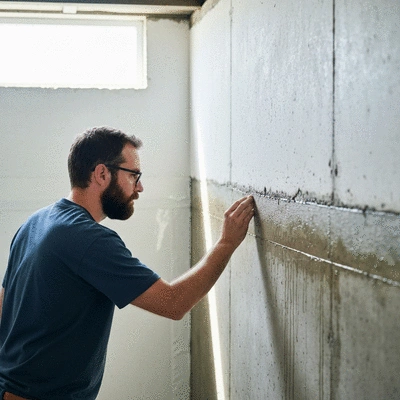
The process starts with identifying the source of moisture and determining which areas require protection. A damp wall, for example, may be affected by rainwater entering from outside, a leaking pipe, rising damp or condensation. Each cause requires a different response.
Depending on the property and the problem, residential waterproofing may involve:
- Installing or repairing waterproof membranes in bathrooms, showers and other wet areas.
- Sealing appropriate joints, junctions and service penetrations.
- Repairing damaged waterproofing around balconies, terraces and roof surfaces.
- Improving drainage to direct water away from vulnerable parts of a building.
- Investigating moisture entry around foundations, retaining walls and below-ground spaces.
- Repairing defective finishes or building components after the underlying moisture problem has been addressed.
For a broader overview of residential protection, read our guide to residential waterproofing in Ballarat.
Why Waterproofing Matters for Ballarat Homes
Waterproofing helps manage moisture in areas where water exposure could otherwise damage the building. Its benefits depend on the condition of the property and whether the selected system is appropriate for the situation.
- Protecting building materials: Limiting water entry can help reduce moisture-related deterioration of plasterboard, timber, concrete, grout and other materials.
- Managing mould risk: Controlling persistent moisture can reduce conditions that support mould growth. Ventilation and condensation control may also be necessary.
- Reducing avoidable repairs: Identifying leaks early can prevent some problems from spreading to surrounding finishes and structures.
- Protecting internal spaces: Effective moisture management helps keep bathrooms, living areas and other parts of a home in better condition.
- Supporting property maintenance: A suitable waterproofing system, combined with ongoing maintenance, can help manage exposure to water over time.
Waterproofing is not a substitute for repairing leaking plumbing, defective roof drainage or other sources of water entry. The cause needs to be identified before an appropriate repair can be selected.
The Difference Between Waterproofing and Damp Proofing
Waterproofing and damp proofing are related, but they are not interchangeable terms. Understanding the difference helps homeowners choose an appropriate response to moisture problems.
Waterproofing
Waterproofing systems are designed to prevent or limit water penetration in particular conditions. They are commonly used in wet areas, balconies, roofs and other locations where exposure to water requires a protective barrier. The system must suit the substrate, expected water exposure, drainage arrangements and intended use of the area.
Damp Proofing
Damp proofing generally aims to restrict moisture movement through building materials. It may form part of foundation construction or be used when addressing certain damp problems in existing buildings.
However, a damp wall does not automatically indicate that a damp-proof barrier is missing or defective. Moisture may also originate from leaking pipes, rainwater entry, poor drainage, condensation or water collecting against external walls.
When Is Drainage Part of the Solution?
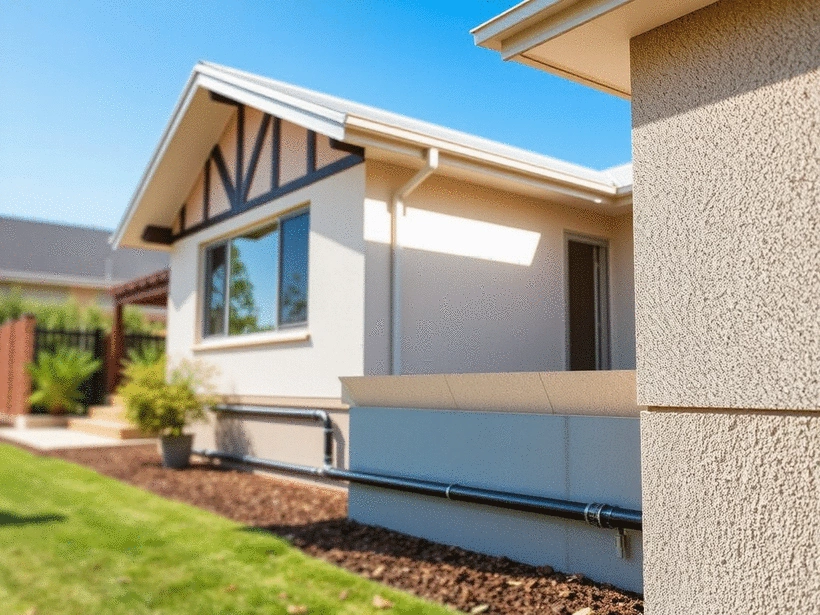
Drainage can be important where water collects around foundations, retaining walls, balconies or other vulnerable areas. Depending on the site, improvements might include clearing blocked drains, correcting surface falls, repairing downpipes or installing an appropriate drainage system.
Drainage and waterproofing perform different functions. A membrane may prevent water entering through a surface, while drainage helps move water away. Some properties require both, but the appropriate combination depends on the source of the moisture and the building's construction.
Common Areas Requiring Residential Waterproofing
Some parts of a home are exposed to frequent water contact, while others are vulnerable because of their position, construction or drainage arrangements. Inspecting these areas can help identify defects before moisture damage becomes more extensive.
1. Bathroom and Shower Waterproofing
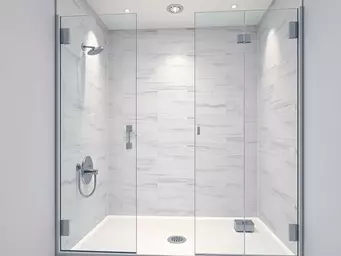
Bathrooms and showers experience regular water exposure. If waterproofing is defective, water can enter adjoining walls, floors or concealed building spaces. Leaks may occur around floor-to-wall junctions, shower recesses, drains, plumbing penetrations or damaged connections.
Warning signs can include loose tiles, deteriorating grout, persistent dampness outside the shower, peeling paint in an adjoining room or staining on the ceiling below an upstairs bathroom. These signs do not establish the cause by themselves, so further investigation may be required.
Explore our guides to bathroom waterproofing and shower waterproofing in Ballarat for more information.
2. Balcony and Outdoor Waterproofing
Balconies and exposed terraces must manage rainwater as well as regular weather changes. Problems can develop when membranes deteriorate, drainage outlets become blocked, surface falls are inadequate or junctions between walls and floors fail.
Look for water pooling after rain, cracks in exposed finishes, deteriorating sealant, staining beneath the balcony or moisture appearing on adjoining internal walls. Some defects may be concealed beneath tiles or other finishes, so surface appearance alone cannot confirm the condition of the waterproofing membrane.
Read more about balcony waterproofing in Ballarat.
3. Foundations and Below-Ground Areas
Foundations, retaining walls and basements can be affected by moisture moving through surrounding soil or entering through cracks, joints and penetrations. The risk varies with site drainage, soil conditions, building design and the condition of existing protective systems.
Possible warning signs include persistent damp patches, white mineral deposits on masonry, peeling coatings, musty smells and water appearing after heavy rain. Condensation and plumbing leaks can produce similar symptoms, so the source should be established before selecting a treatment.
Depending on the cause, solutions may involve external drainage improvements, repairing cracks or joints, suitable membrane systems, internal drainage or other targeted work. Covering a damp surface with paint or sealant may only hide the symptoms if water continues to enter behind it.
For more detail, see our guide to foundation waterproofing in Ballarat.
4. Roofs and Roof Drainage
Roof leaks may result from damaged roofing materials, deteriorated flashing, failed seals, blocked gutters or problems around roof penetrations. On flat or low-slope roofs, membrane condition and drainage are particularly important.
Water stains on ceilings, damp insulation, peeling paint and recurring leaks after rain can indicate a roof or drainage problem. The roof should be inspected safely, with attention to the likely entry point rather than simply treating the visible internal stain.
Our article on roof waterproofing solutions in Ballarat provides further information.
Choosing the Right Waterproofing Method
Different waterproofing products are designed for different surfaces and exposure conditions. Selecting a method requires consideration of the substrate, movement, drainage, existing finishes and whether the area is part of a new build or an existing property.
Liquid-Applied Membranes
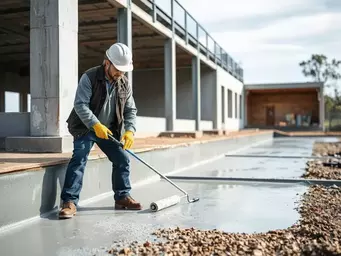
Liquid membranes are applied to a prepared surface and form a continuous coating when installed and cured according to the product requirements. They can be useful around corners, junctions and irregular shapes, provided the system is suitable for the intended application.
Surface preparation, application thickness, curing time and compatible detailing are important. Installing a membrane over a damp, contaminated or unsuitable substrate can compromise the finished system.
Sheet Membranes
Sheet membranes are supplied in rolls or sheets and installed over prepared surfaces. Depending on the product, joints may be bonded, welded or sealed using the specified method.
Seams, corners, penetrations and connections to drainage outlets need careful detailing. The fact that a membrane is supplied as a sheet does not automatically make it suitable for every surface or waterproofing situation.
Sealants and Joint Treatments
Sealants are used for suitable joints and connections where flexibility or a watertight seal is required. They may be part of a larger waterproofing detail, but they are not necessarily a replacement for a continuous membrane.
The correct sealant depends on the joint, the materials being joined, movement, exposure and product compatibility. Existing sealant should be assessed before replacement so the repair addresses the actual defect.
Injection Systems and Retrofitting
Some existing buildings may benefit from specialist injection treatments or other retrofit systems. These can be considered for particular moisture problems, but they are not universal solutions for every damp wall or leaking foundation.
Before proceeding, establish whether the moisture is caused by groundwater, lateral water entry, rising damp, plumbing or condensation. The treatment should match the diagnosis and the construction of the building.
Basement Waterproofing Options for Existing Homes
Below-ground areas can be difficult to keep dry because water may collect against walls or enter through cracks, construction joints and service penetrations. The most suitable solution depends on whether the problem is occasional seepage, persistent water pressure, surface runoff or another source of moisture.
External Waterproofing and Drainage
Where access permits, work from the outside may involve exposing affected surfaces, repairing defects and installing a suitable waterproofing system. Drainage improvements may also be necessary to reduce water accumulation near the structure.
External work can require excavation and careful consideration of buried services, access and the surrounding ground. The design should suit the property's conditions rather than rely on a generic treatment.
Internal Drainage Systems
In some situations, an internal drainage system can collect water entering at the perimeter and direct it to an appropriate discharge point or sump arrangement. Such systems manage water that reaches the drainage channel; they do not necessarily stop moisture from entering the wall itself.
System design, discharge arrangements, maintenance access and any pump requirements should be considered before installation.
Surface Repairs and Moisture Barriers
Cracks, joints and penetrations may require targeted repairs, while some surfaces may benefit from a suitable moisture-resistant coating. These treatments should only be selected after assessing the substrate and the way water is entering.
For related information, see waterproofing foundations in Ballarat.
Recognising Early Signs of Waterproofing Problems
Moisture problems are often easier to investigate when they are first noticed. Homeowners should pay attention to changes in the appearance, smell or condition of walls, floors and ceilings, particularly after periods of rain or frequent use of wet areas.
- Discolouration: Brown or yellow stains may indicate water entry from plumbing, roofs or adjoining spaces.
- Peeling paint or bubbling finishes: Moisture beneath a coating can cause the finish to lose adhesion.
- Musty odours: Persistent smells may indicate damp materials or concealed moisture.
- Loose tiles or deteriorating grout: These may warrant investigation, although they do not prove that a membrane has failed.
- Efflorescence: White mineral deposits on masonry can indicate moisture moving through the material.
- Recurring damp patches: Areas that become wet repeatedly need investigation to identify the source.
- Water pooling: Standing water on balconies, roofs or near foundations may indicate drainage or surface-fall problems.
Documenting when the problem appears, where it occurs and whether it follows rain or water use can help narrow down possible causes. Avoid simply covering the affected area before the source has been investigated.
Maintaining Waterproofing Systems
Maintenance can help identify developing defects, although the appropriate inspection frequency depends on the type of system, its age, exposure and the manufacturer's recommendations. An annual check may be useful for some properties, but it is not a universal requirement or guarantee of performance.
Practical maintenance measures include:
- Keeping gutters, downpipes and drainage outlets clear of leaves and debris.
- Checking accessible sealant joints for separation, cracking or deterioration.
- Looking for changes in ceiling stains, wall discolouration or damp patches.
- Checking that balcony and outdoor drainage outlets are not blocked.
- Repairing leaking taps, pipes and plumbing connections promptly.
- Maintaining suitable bathroom ventilation to help control condensation.
- Following the product manufacturer's instructions for inspection and maintenance.

How to Choose a Residential Waterproofer in Ballarat
Choosing a suitable contractor starts with understanding the problem and the work required. A useful assessment should explain the likely source of moisture, the proposed repair and any limitations or follow-up maintenance involved.
Before agreeing to work, consider asking the following questions:
- What evidence indicates the source of the moisture?
- Will the proposed work repair the cause or only treat the visible symptoms?
- Which waterproofing products or systems are being proposed, and why are they suitable?
- Does the work require removal of tiles, coatings or other finishes?
- How will junctions, penetrations and drainage details be addressed?
- What preparation, drying and curing time is required?
- What documentation, product information and written warranty terms will be provided, where applicable?
- What maintenance or future inspections may be needed?
For wet-area work and other projects where specific requirements apply, ask how the proposed installation will address the relevant requirements for the building and the scope of work. Do not assume that a particular product or membrane alone guarantees a compliant installation.
To explore related topics, visit our guides to waterproofing solutions for Ballarat homes and residential waterproofing solutions.
Frequently Asked Questions About Residential Waterproofing
What is residential waterproofing?
Residential waterproofing involves using suitable membranes, coatings, sealants and related systems to prevent or limit water entering vulnerable parts of a home. The appropriate method depends on the location, substrate and type of water exposure.
Why is waterproofing important in Ballarat?
Rainfall, cooler weather and moisture around buildings can contribute to water-related problems. Effective waterproofing and drainage can help protect vulnerable building areas, while prompt investigation can identify defects before damage spreads.
Which parts of a home commonly need waterproofing?
Bathrooms, showers, balconies, roofs and below-ground areas are common examples. The need for waterproofing depends on the property's design, existing protection and exposure to water.
What is the difference between waterproofing and damp proofing?
Waterproofing is intended to prevent or limit water penetration under specified conditions. Damp proofing generally restricts moisture movement through building materials. The right approach depends on the source of moisture and the construction involved.
Are liquid membranes better than sheet membranes?
Neither option is automatically better for every project. Liquid and sheet membranes have different application requirements and characteristics. Selection should be based on the substrate, detailing, water exposure and suitability of the complete system.
Can a damp basement be waterproofed from the inside?
Some basement problems can be managed using internal drainage or suitable internal treatments. However, these methods may manage water rather than stop it entering the structure. The cause of the moisture should be assessed before selecting a solution.
How often should waterproofing be inspected?
Inspection frequency depends on the system, its age, exposure and manufacturer recommendations. Accessible areas should also be checked when leaks, staining, loose finishes or other signs of moisture appear.
Does peeling paint or loose grout always mean waterproofing has failed?
No. These symptoms can result from several causes, including poor adhesion, movement, ventilation issues or water entry. Further investigation is needed to determine whether the waterproofing system is defective.
Protecting Your Home from Moisture
Residential waterproofing is most effective when the source of water is understood and the selected solution suits the building. Bathrooms, balconies, roofs and foundations each present different challenges, so a repair that works in one location may not be appropriate elsewhere.
By monitoring early warning signs, maintaining drainage and exposed joints, and investigating recurring dampness promptly, homeowners can make better-informed decisions about protecting their properties. Where moisture persists or the source is unclear, seek an assessment before committing to a repair.