Roof Waterproofing Ballarat Vic
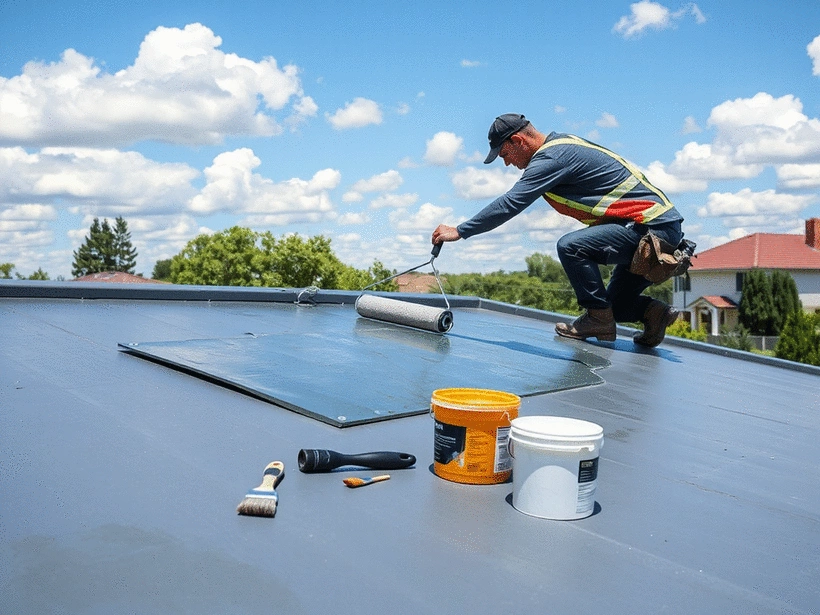
Roof leaks can start with a small defect around flashing, a roof penetration, a membrane joint or a drainage outlet. If water continues to enter, it can damage ceilings, insulation and adjoining building materials. For property owners in Ballarat, effective roof waterproofing begins with identifying the entry point and selecting a repair or waterproofing system suited to the roof's construction.
This guide explains the main roof waterproofing options, common causes of leaks, what to check during an inspection and how to assess the work proposed for your property.
What You Will Learn
- How roof design and existing defects influence waterproofing requirements.
- The differences between membrane, liquid-applied and sheet systems.
- Common leak sources, including flashing, joints and roof drainage.
- Why surface preparation and correct detailing are essential.
- What to ask a contractor before approving roof waterproofing work.
Understanding Roof Waterproofing in Ballarat
Roof waterproofing is intended to prevent water from passing through a roof assembly and entering the building. The appropriate solution depends on whether the roof is a flat or low-pitch structure, a metal roof, a tiled roof or another construction type.
A flat concrete roof may require a membrane system designed for the substrate and expected water exposure. A metal roof may need attention to sheet laps, fasteners, flashings and penetrations. A tiled roof may have a leak caused by damaged tiles, deteriorated flashing or a problem with the underlying roof components rather than a need for a coating over the entire surface.
Ballarat's changing weather makes it worthwhile to investigate recurring leaks rather than relying on temporary patches. The aim is to identify how water is entering and choose a repair that addresses the relevant defect.
What Is Roof Waterproofing?
Roof waterproofing uses suitable membranes, coatings, sheet materials and carefully detailed junctions to limit water ingress. Some systems form a continuous protective layer over a prepared roof surface, while others rely on sheet materials and sealed connections.
The correct system must be compatible with the roof substrate, existing materials, drainage design and intended use of the roof. For further guidance on recognising possible problems, read our article on recognising roof waterproofing needs.
Common Roof Waterproofing Systems
Different systems are designed for different roof constructions. The following options may be considered where the roof design and product requirements make them suitable.
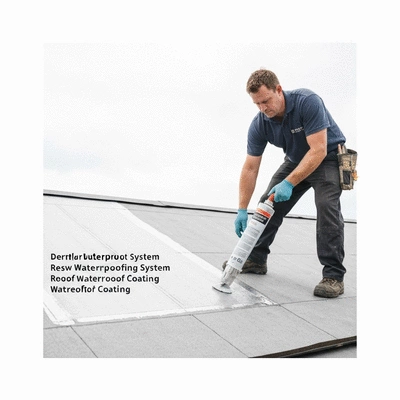
Common Waterproofing Systems
- Bituminous membranes: Used in suitable flat and low-pitch roof applications.
- Synthetic sheet membranes: Systems such as EPDM may be suitable for compatible roof designs.
- Liquid-applied membranes: Applied to prepared surfaces to form a continuous waterproofing layer.
- Thermoplastic membranes: Systems such as TPO may be considered for suitable roof assemblies.
What Influences the Result?
- The condition and preparation of the existing roof surface.
- Correct treatment of joints, flashings and penetrations.
- Suitable falls and functioning drainage outlets.
- The compatibility of the waterproofing system with the roof construction.
Bituminous Membranes
Bituminous membranes are used in some flat and low-pitch roof applications. Their suitability depends on the roof substrate, the membrane system, the installation details and the exposure conditions.
Before installation, the roof needs to be assessed for existing damage, drainage problems and defects around upstands or penetrations. A membrane cannot reliably compensate for unresolved substrate problems or incorrectly detailed junctions.
EPDM and Other Synthetic Sheet Membranes
EPDM is a synthetic rubber membrane used in suitable roofing applications. Other sheet membrane systems are also available, with their own requirements for seams, edge details, penetrations and attachment.
Product selection should be based on the roof design and manufacturer requirements rather than assuming one material is suitable for every flat roof. The details where the membrane meets walls, outlets and other roof components are particularly important.
Liquid-Applied Waterproofing
Liquid-applied systems are installed over a prepared surface and cure to form a protective layer. Depending on the product, they may be suitable for certain roof surfaces, transitions or repair applications.
Preparation, application thickness, curing conditions and compatibility with existing materials all affect performance. Not every coating is suitable for prolonged ponding, foot traffic or exposure to the conditions found on a particular roof.
Common Causes of Roof Leaks
A leak inside a building does not always identify the exact point where water enters the roof. Water can travel along roof components before becoming visible on a ceiling or wall, so the source should be investigated rather than assuming the nearest visible defect is responsible.
Damaged Roofing Materials
Cracked tiles, deteriorated sheet materials, loose fixings and damaged roof coverings can allow water to enter. The repair depends on the material and the extent of the damage. Replacing a damaged component may be more appropriate than coating the surrounding roof.
Failed Flashing and Junctions
Flashings help manage water at roof edges, wall junctions, chimneys and other changes in direction. Gaps, deterioration or incorrect detailing can create entry points that remain difficult to identify from inside the building.
Any repair should address how the roof sheds water and how the adjoining materials connect. Applying sealant without correcting defective detailing may provide only temporary relief.
Blocked or Inadequate Drainage
Leaves and other debris can obstruct gutters, outlets and drainage channels. Where water cannot drain away as intended, it may accumulate or overflow into areas that are not designed to remain wet.
Persistent ponding on a flat roof may also indicate unsuitable falls, a drainage defect or a problem with the roof assembly. Clearing debris is useful maintenance, but it will not correct an underlying design or installation issue.
Leaks Around Roof Penetrations
Vents, pipes, skylights and other roof penetrations interrupt the roof surface and require appropriate waterproofing details. Failed seals, deteriorated flashings or movement at these connections can allow water to enter.
These areas should be inspected carefully because a small defect can affect the performance of the surrounding roof system.
For an overview of methods used across different roof types, see our guide to waterproofing methods for Ballarat roofs.
Practical Tip
If a roof leak appears after rain, note where the water becomes visible, whether it occurs during particular weather conditions and whether the problem has happened before. This information can help an inspector investigate likely entry points. Avoid walking on a wet or steep roof; roof inspections should be carried out using appropriate safety measures.
Why Roof Preparation and Detailing Matter
Even a suitable waterproofing product can perform poorly if the surface is not prepared correctly or critical junctions are overlooked. Preparation requirements vary between products, so the installation process should follow the selected system's instructions.
Depending on the roof, the work may involve:
- Removing debris and unsuitable or deteriorated coatings.
- Assessing the condition of the roof substrate and repairing relevant defects.
- Checking flashings, outlets, joints and penetrations.
- Confirming that drainage paths are clear and water can discharge appropriately.
- Preparing corners, upstands and changes in direction for the selected membrane.
- Allowing for the required application and curing conditions.
Covering an existing membrane with another layer is not automatically the best option. The existing system may be incompatible with the proposed product, or trapped moisture and underlying defects may need to be addressed first.
When Should Roof Waterproofing Be Investigated?
Roof waterproofing does not need to wait until water is dripping through a ceiling. Some warning signs justify an inspection before more extensive damage develops.
- Recurring ceiling stains: Brown marks or repeated damp patches may indicate water entry, although plumbing leaks and condensation can produce similar symptoms.
- Visible membrane damage: Blisters, splits, lifted edges or separated seams may compromise a membrane system.
- Cracked or deteriorated sealant: Failed seals around penetrations and junctions may allow water through.
- Standing water: Persistent ponding on a roof designed to drain can indicate a drainage or falls problem.
- Damaged flashings: Gaps, loose sections or deterioration around roof junctions deserve attention.
- Repeated leaks after repairs: If water returns after patching, the original entry point or a wider roof defect may not have been resolved.
These signs do not all indicate membrane failure. An inspection should establish whether the issue relates to the roof covering, waterproofing layer, drainage, flashing or another part of the building.
Roof Inspections and Ongoing Maintenance
Periodic roof checks can help identify visible deterioration before it becomes a more significant problem. The appropriate inspection frequency depends on the roof type, its exposure, surrounding trees and the condition of the existing system.
Areas worth checking include:
- Roof coverings for damage, deterioration or loose components.
- Flashings and junctions where water may enter.
- Gutters, outlets and drainage paths for blockages.
- Membrane edges, seams and exposed details where accessible.
- Areas where leaks or damp patches have appeared previously.
Keep records of recurring leaks and previous repairs, as this information can help identify patterns. Roof inspections should be undertaken safely; inaccessible, steep or fragile roof areas require appropriate professional access methods.
For further information about protecting flat and other roof areas, see our article on rooftop waterproofing solutions in Ballarat.

What to Consider When Requesting a Roof Waterproofing Quote
A useful quote should explain the problem identified, the proposed repair or waterproofing system and the work required to prepare the roof. It should also make clear whether the price includes related repairs, drainage work, removal of existing materials or reinstatement of finishes.
Before approving the work, consider asking:
- What is the likely source of the leak, and how was it identified?
- Is the issue isolated, or are there signs of wider deterioration?
- Why is the proposed system suitable for this roof type?
- What preparation and repairs are required before installation?
- How will flashings, joints, penetrations and drainage outlets be treated?
- What work is included or excluded from the quote?
- What maintenance is required, and what written warranty conditions apply?
Costs and installation requirements vary with roof access, condition, materials and the scope of repairs. A clear written quote helps you understand what is being proposed without relying on a generic price or timeframe.
Frequently Asked Questions About Roof Waterproofing
What is roof waterproofing?
Roof waterproofing uses suitable membranes, coatings, sheet materials and detailed connections to prevent water from entering the building through the roof assembly.
Why might a roof leak even after it has been repaired?
The original entry point may not have been identified, or water may be entering through another defect. Problems with flashing, drainage, penetrations or the existing waterproofing layer may require further investigation.
Which waterproofing system is best for a flat roof?
The right system depends on the roof substrate, existing materials, drainage, exposure and intended use. Bituminous membranes, synthetic sheet membranes and liquid-applied systems may be suitable in different circumstances.
Can a waterproofing coating fix every roof leak?
No. Some leaks require replacement of damaged roofing components, repairs to flashing or correction of drainage problems. A coating should only be selected after the cause of the leak and the condition of the roof have been assessed.
How can I tell whether my roof needs an inspection?
Recurring ceiling stains, visible membrane damage, deteriorated seals, damaged flashing and persistent ponding are reasons to investigate. Water stains can also have causes unrelated to the roof, so the source should be confirmed.
What should a roof waterproofing quote include?
It should describe the proposed system, surface preparation, necessary repairs, treatment of junctions and drainage details, access requirements, exclusions and any applicable warranty conditions.
Making an Informed Decision About Roof Waterproofing
Effective roof waterproofing starts with identifying the source of water entry and understanding the construction of the roof. Membranes, coatings and sheet systems can all have a role, but their suitability depends on the substrate, drainage design, junction details and condition of the existing roof.
If your Ballarat property has recurring leaks, damaged waterproofing or persistent water pooling, arrange an assessment to establish what needs attention. Addressing the underlying defect and selecting a compatible repair system provides a more reliable basis for protecting the building than repeatedly patching visible symptoms.