Essential Roof Waterproofing in Ballarat
Roof waterproofing problems can be difficult to diagnose because water does not always enter a building directly above the area where a leak appears. Moisture may travel along roof components, collect around penetrations or enter through deteriorated joints before becoming visible inside the property.
For homeowners in Ballarat, understanding how the roof covering, drainage and waterproofing details work together is an important part of maintaining a weather-resistant home. The right solution depends on the roof type, its existing condition, the source of water entry and whether the problem requires a local repair or more extensive remedial work.
This guide explains what to look for, how roof waterproofing options differ, what affects project costs and timing, and which questions to ask before arranging repairs or a new waterproofing system.
What Homeowners Should Know
- Roof leaks can originate from damaged coverings, failed flashing, deteriorated seals, blocked drainage or defective waterproofing details.
- The location of an internal stain does not necessarily identify the point where water enters the roof.
- The appropriate waterproofing method depends on the roof construction, substrate, water exposure and condition of existing materials.
- Repair costs and project duration depend on access, the affected area, preparation requirements and the extent of any underlying damage.
- Regular visual checks and prompt investigation of changes can help identify developing problems before more extensive damage occurs.
Roof Waterproofing: Project Timing and Cost Considerations
Before arranging roof waterproofing, it is useful to understand what can affect the scope of work. A small repair to a failed junction is different from preparing and waterproofing an extensive roof area or removing deteriorated materials before installing a replacement system.
Our guide to roof waterproofing solutions in Ballarat provides further information about the available approaches.
Understanding Roof Waterproofing in Ballarat
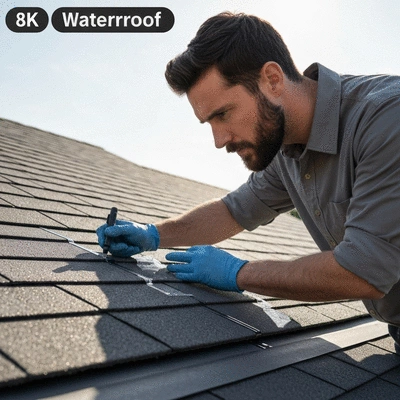
Roof waterproofing involves preventing water from entering the building through vulnerable roof surfaces, joints and connections. The correct approach depends on whether the property has a tiled roof, metal roof, flat roof, rooftop terrace or another roof construction.
It is important to distinguish between waterproofing and general roof maintenance. Replacing a damaged roof tile, repairing flashing or clearing a blocked gutter may resolve a particular leak without requiring a new membrane. Conversely, a deteriorated membrane or a widespread failure of waterproofing details may require more extensive work.
Before selecting a repair method, the source of water entry should be investigated. Our article on recognising roof waterproofing needs explores signs that may indicate a problem requiring further assessment.
Common Causes of Roof Leaks
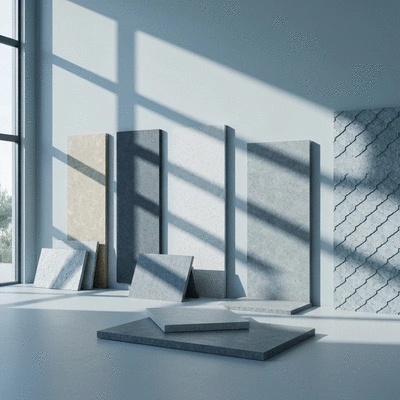
Several roof components can allow water to enter when they become damaged, deteriorated or incorrectly installed. Identifying the likely cause is more useful than simply treating the visible water stain.
- Damaged roof coverings: Cracked or displaced tiles, corroded metal sheets and damaged roof components can expose the underlying structure to water.
- Failed flashing: Flashing around chimneys, roof-to-wall junctions and other transitions helps direct water away from vulnerable connections.
- Blocked gutters and outlets: Restricted drainage can cause water to accumulate and may contribute to overflow or water entry at vulnerable points.
- Deteriorated seals: Sealants around penetrations and joints can deteriorate over time and may need repair or replacement.
- Membrane defects: Cracking, separation, punctures or failed junctions can compromise a roof waterproofing system.
- Installation problems: Inadequate detailing, unsuitable materials or incorrect installation can create weaknesses that become apparent during service.
Water can travel along roof framing or other building components before appearing on an internal ceiling. For this reason, the position of a damp patch should be treated as a clue rather than definitive proof of where the leak originates.
How Weather Exposure Affects Roof Performance
Roofing materials and waterproofing systems are exposed to changing temperatures, sunlight, wind and rainfall. Depending on the roof construction and materials, these conditions can contribute to movement, deterioration or damage to exposed components.
In Ballarat, roof inspections should consider the actual condition of the property and the exposure of its roof surfaces. The roof's orientation, drainage arrangement, age, previous repairs and the condition of adjoining components may all influence where problems develop.
Particular attention should be paid to areas where water collects, where different materials meet and where penetrations interrupt an otherwise continuous roof surface.
- Check accessible roof areas for visible deterioration and signs of water entry.
- Keep gutters and drainage outlets clear of accumulated debris.
- Inspect accessible flashing, joints and roof penetrations for visible damage.
- Investigate recurring damp patches rather than repeatedly repairing internal finishes.
- Arrange a professional assessment where roof access is unsafe or the source of a leak is uncertain.
Practical Maintenance Tip
After significant rainfall, check accessible internal areas for new staining, dampness or signs of water entry. Do not climb onto a wet or damaged roof to investigate. If a leak recurs, arrange an assessment that considers the roof covering, flashing, drainage and any existing waterproofing system.
Choosing the Right Roof Waterproofing Method
Not every roof needs a membrane, and not every leak can be fixed by applying a coating. The appropriate method depends on the roof's construction, the condition of the existing materials and the way water is meant to drain from the surface.
For a broader comparison of approaches, read our guide to waterproofing methods for Ballarat roofs.
Liquid-Applied Waterproofing Membranes
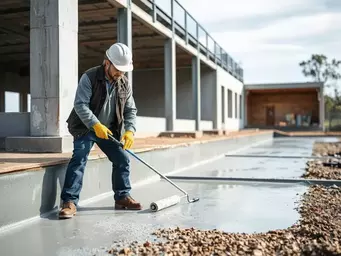
Liquid-applied membranes are applied to a prepared surface and form a continuous layer when installed and cured according to the product specification. Depending on the system, they may be suitable for certain flat or low-slope roofs and other approved applications.
The substrate must be compatible with the product and adequately prepared. Corners, joints, penetrations and drainage outlets need appropriate detailing so that the membrane remains continuous at vulnerable points.
Before selecting a liquid membrane, confirm its approved applications, required application thickness, curing conditions and compatibility with any existing coatings or roof materials.
Sheet Membrane Systems
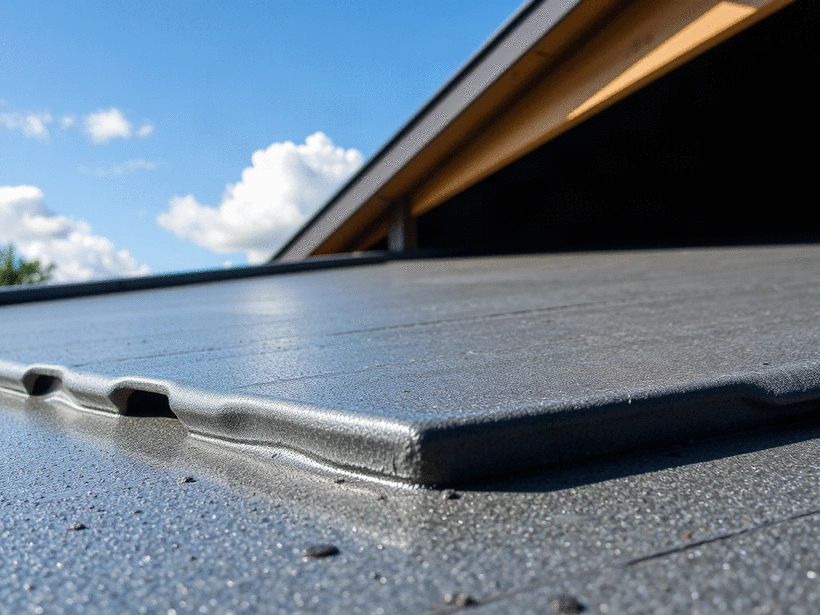
Sheet membranes provide a manufactured waterproofing layer. Their performance depends on suitable substrate preparation and correctly completed seams, laps, corners, penetrations and terminations.
These systems may suit particular roof designs, but they are not interchangeable with every liquid-applied product. The proposed system should match the construction details and the requirements of the roof being treated.
Roof Coatings and Local Repairs
Some roof problems can be addressed through targeted repairs, while others require a more extensive waterproofing treatment. A compatible coating may be appropriate for certain surfaces, but a general-purpose paint or sealant should not be assumed to provide a complete waterproofing solution.
Where the roof covering itself is damaged, the affected component may need repair or replacement before any additional protective treatment is considered. Applying a new coating over an unstable, wet or unsuitable surface can leave the underlying problem unresolved.
The objective is to identify the source of water entry and select a repair that addresses the cause rather than simply concealing its symptoms.
Flat Roofs and Rooftop Areas
Flat and low-slope roofs require careful attention to drainage because the design must direct water towards suitable outlets. Ponding, poorly detailed junctions or defects around penetrations can place additional demands on the waterproofing system.
Before remedial work begins, check the roof falls, drainage outlets, surface condition and connections with adjoining walls or structures. The selected membrane must be suitable for the roof design and expected exposure.
For further information, see our guide to rooftop waterproofing solutions in Ballarat.
What Determines Roof Waterproofing Costs and Timelines?
The cost of roof waterproofing cannot be assessed reliably from the roof area alone. Two properties with similar roof dimensions may require very different amounts of work because of differences in access, existing damage, surface preparation and the type of waterproofing system involved.
Factors That Influence the Quotation
- Roof size and configuration: Larger areas may require more materials and labour, while complex layouts can involve additional detailing.
- Existing roof condition: Damaged coverings, deteriorated substrates or failed junctions may need repair before waterproofing can begin.
- Access requirements: Roof height, pitch, obstacles and the need for appropriate safety equipment can affect the work involved.
- Waterproofing system: Different products have different preparation, installation and curing requirements.
- Drainage and flashing: Defects in outlets, gutters, penetrations or adjoining components may need to be addressed as part of the repair.
- Extent of removal: Some projects require removal of existing coatings or failed materials before a new system can be installed.
A useful quotation should identify the affected areas, preparation work, proposed materials, relevant exclusions and any additional repairs that may be required. If the source of water entry has not yet been confirmed, further investigation may be needed before the final scope can be established.
How Long Does Roof Waterproofing Take?
Project duration depends on the scale and complexity of the work. A local repair may require substantially less time than preparing and waterproofing a large roof area. Weather conditions, safe access, drying requirements and the curing time specified for the selected product can also affect scheduling.
Ask the contractor to explain the expected work sequence, including preparation, application, curing and any required inspection or testing. This helps set realistic expectations about when the roof can be exposed to water or when the area can return to normal use.
Warranties, Product Suitability and Workmanship
Before agreeing to roof waterproofing work, ask what the proposed system covers and what is included in the contractor's quotation. Product warranties and workmanship warranties may have different conditions, exclusions and durations, so they should be reviewed separately.
Useful questions include:
- Which waterproofing product or system is being proposed?
- What preparation and repair work is included?
- What areas and types of failure are covered by any warranty offered?
- Are there maintenance requirements or exclusions that could affect coverage?
- What records will be provided for the completed work?
Requirements for a particular project can depend on its construction and scope. Where applicable, confirm the relevant building requirements and product specifications rather than assuming that a particular membrane or repair method is suitable for every roof.
For additional information relevant to construction planning, refer to our article on waterproofing solutions for builders in Ballarat.
Considering Environmental and Energy Performance
Some roof renovation projects provide an opportunity to review the thermal and environmental performance of the roof as well as its ability to resist water. However, waterproofing and energy efficiency are separate considerations, and one product should not be assumed to deliver both benefits automatically.
Depending on the roof design, suitable options may include reflective roof finishes or compatible systems that support the broader building design. Any proposed coating or membrane should still be selected for its intended application, substrate compatibility and exposure conditions.
When comparing products, consider the manufacturer's technical information, expected service conditions, maintenance needs and the suitability of the complete system. Avoid selecting a product solely because it is marketed as environmentally friendly without confirming that it meets the requirements of the roof.
Frequently Asked Questions About Roof Waterproofing
Why might a roof leak even if the roof covering looks intact?
Water may enter through flashing, joints, penetrations, deteriorated seals or defects in an underlying membrane. Water can also travel along building components before becoming visible indoors, so an assessment should consider the surrounding roof details rather than only the area above the stain.
Does every roof leak require a new waterproofing membrane?
No. Some leaks result from damaged roof coverings, blocked drainage or failed flashing and may require targeted repairs. A replacement or additional membrane may be appropriate where the existing waterproofing system has failed or where the roof design requires one.
What is the difference between roof waterproofing and roof maintenance?
Roof maintenance includes activities such as checking accessible components, clearing drainage outlets and identifying visible deterioration. Waterproofing involves providing or restoring protection against water entry. Maintenance can help identify problems, but it does not replace necessary repairs to a defective system.
What information should I provide when requesting a roof waterproofing quote?
Describe the roof type, the location of visible leaks, when the problem occurs and any previous repairs. Photographs taken safely from accessible areas can help explain the issue, although an inspection may still be necessary to determine the source and scope of work.
Can waterproofing work be completed during wet weather?
That depends on the selected product, substrate condition and manufacturer's application requirements. Many systems require suitable surface and weather conditions for application and curing. The contractor should confirm whether conditions are appropriate before starting.
How can I reduce the risk of recurring roof leaks?
Keep accessible drainage areas maintained, investigate visible deterioration and arrange repairs when problems appear. Where leaks recur, have the underlying cause assessed rather than repeatedly treating the internal stain or applying additional sealant without confirming its suitability.
Preparing for a Roof Waterproofing Assessment
Before arranging an assessment, gather information that may help explain the problem. Note when the leak occurs, whether it appears during particular weather conditions and whether any previous repairs have been undertaken. These details can help direct the investigation.
Useful information includes:
- The roof type and approximate age, if known.
- The location of internal stains, dampness or visible water entry.
- Photographs of affected areas taken from a safe position.
- Details of previous repairs, coatings or waterproofing treatments.
- Any known issues with gutters, outlets, flashing or adjoining roof structures.
Do not access a roof that is wet, unstable or otherwise unsafe to obtain photographs. A professional inspection may be needed to examine concealed junctions or areas that cannot be viewed safely from the ground.
Arranging Roof Waterproofing in Ballarat
If your roof has recurring leaks, deteriorating waterproofing or signs of moisture entering the building, the first step is to establish what is causing the problem. The appropriate repair may involve roof maintenance, replacement of damaged components, repairs to flashing or installation of a suitable waterproofing system.
Ballarat Waterproofing Specialists can discuss the information available about your property and the work that may be required. A clear assessment and quotation should explain the proposed approach, the areas included and any limitations or additional repairs that may need attention.
Before proceeding, make sure you understand the recommended solution, the preparation required, the expected work sequence and the terms of any warranty offered.
Final Considerations
Effective roof waterproofing starts with understanding how the roof is constructed and identifying where water is entering. Selecting a suitable system is only part of the process; substrate preparation, drainage, flashing, junction detailing and correct installation also influence the result.
For homeowners in Ballarat, addressing the underlying cause of a leak and maintaining accessible roof drainage can help reduce the risk of recurring problems. Where the source is uncertain or the damage is extensive, a proper assessment is more useful than relying on a generic coating or an unverified repair method.
```