Apartment Waterproofing Ballarat Vic
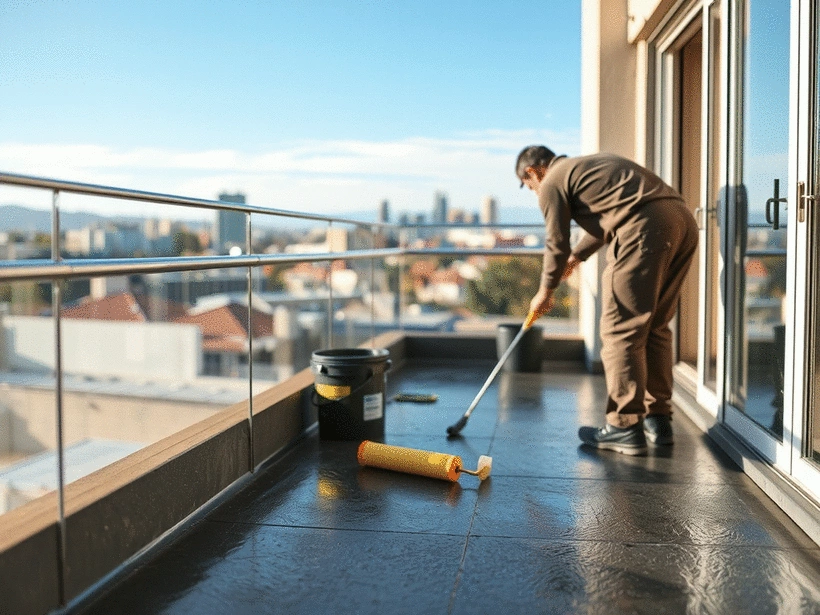
Apartment waterproofing in Ballarat requires careful attention to wet areas, balconies, roofs, external walls and other parts of a building exposed to moisture. Unlike a standalone home, an apartment building contains shared structures and services, meaning a leak in one location can affect neighbouring units or common property.
Understanding where water can enter, how to recognise early warning signs and when to seek a professional assessment can help apartment owners and owners corporations address moisture problems before further damage occurs.
What You Will Learn
- The main areas of an apartment building that may require waterproofing.
- Common warning signs of water ingress and membrane failure.
- How shared structures and access requirements affect apartment waterproofing projects.
- Why identifying the source of a leak is important before repairs begin.
- What apartment owners and owners corporations should consider when arranging waterproofing work.
Understanding Apartment Waterproofing in Ballarat
Apartment waterproofing involves protecting building components from unwanted water penetration. Depending on the property, this may include waterproofing membranes, compatible sealants, drainage improvements and repairs to existing waterproofed surfaces.
Waterproofing requirements vary according to the building's design, construction, condition and exposure to weather. In Ballarat, seasonal rainfall, cold weather and repeated wetting and drying can make it particularly important to investigate persistent dampness rather than relying on surface repairs alone.
For a broader overview of residential protection, see our guide to waterproofing solutions for Ballarat homes.
Why Multi-Unit Buildings Need a Coordinated Approach
Apartment buildings contain connected structural elements, service penetrations and shared areas. A leak may appear inside one apartment even when the source is located elsewhere, such as a balcony above, an external wall, a roof or shared plumbing infrastructure.
For this reason, the visible damp patch is not always the point where water entered. Identifying the source and tracing the moisture pathway are important steps before selecting a repair method.
Responsibility for investigating and arranging repairs may also depend on whether the affected area is within an individual lot or forms part of common property. Owners should consult their owners corporation and relevant property documents where responsibility is unclear.
Common Areas That Require Apartment Waterproofing
Bathrooms and Other Wet Areas
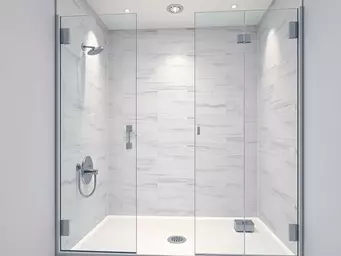
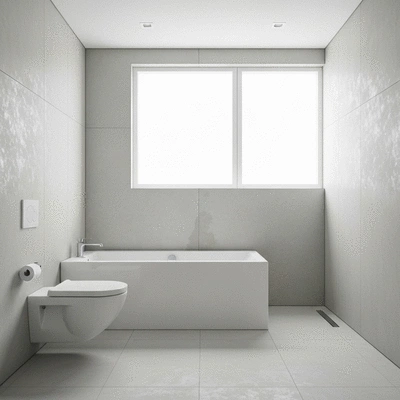
Bathrooms are regularly exposed to water and require suitable waterproofing around relevant floors, walls, showers and junctions. Deteriorated seals, damaged grout, failed membrane connections or movement around penetrations can allow moisture to reach surrounding building materials.
Replacing visible sealant may help with a localised defect, but it will not necessarily resolve a leak caused by a damaged membrane or another concealed problem. Persistent moisture, recurring mould or water appearing in the unit below warrants further investigation.
Read more about bathroom waterproofing in Ballarat and the considerations involved in protecting wet areas.
Balconies and External Decks
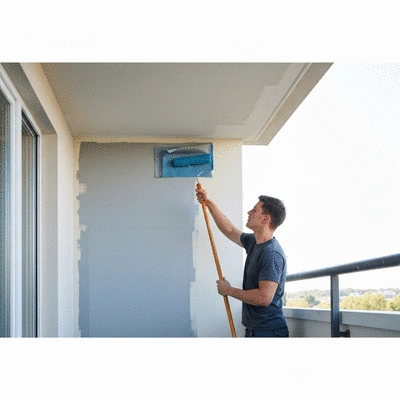
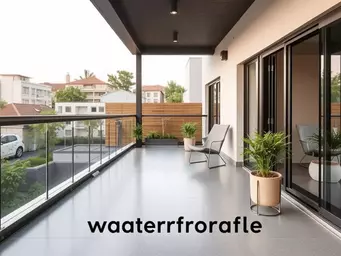
Balconies can be exposed to rain, standing water and temperature changes. Problems may develop where the waterproofing membrane has deteriorated, drainage outlets are obstructed, surface falls are inadequate or junctions around doors and balustrades have failed.
Warning signs can include water entering the room beside a balcony, blistering finishes, damp ceilings beneath an elevated balcony or persistent moisture near external doors. The source should be assessed before new coatings or sealants are applied.
Roofs and Rooftop Areas
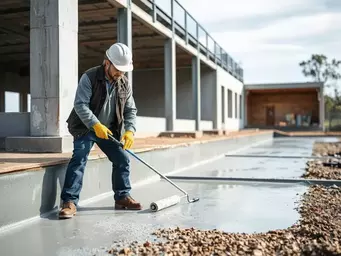
Roof membranes, flashings, drainage outlets and penetrations all play a role in controlling water entry. Defects in these areas can allow moisture to travel through ceilings, walls or service spaces before becoming visible inside an apartment.
Roof leaks can be difficult to trace because water may move away from the original entry point. For related guidance, see rooftop waterproofing solutions in Ballarat.
External Walls, Foundations and Shared Structures
Water can enter through cracks, defective joints, deteriorated coatings or poorly sealed penetrations in external building elements. Ground moisture may also affect below-ground areas where drainage or foundation waterproofing is inadequate or has deteriorated.
Where moisture appears in a basement, storage area or lower-level apartment, the investigation may need to consider ground levels, surface drainage, retaining walls and the condition of existing waterproofing systems.
Recognising Waterproofing Problems in Apartments
Early warning signs should be investigated, especially when they recur after rainfall or when nearby plumbing and wet areas are in use.
- Water stains: Discolouration on ceilings, walls or around windows may indicate moisture entering the building.
- Peeling paint or bubbling finishes: These can develop when moisture becomes trapped behind surface coatings.
- Persistent musty smells: A continuing damp odour may indicate concealed moisture.
- Recurring mould: Mould can be associated with leaks, condensation or inadequate ventilation, so the underlying cause needs to be identified.
- Damaged flooring or skirting: Swelling, lifting or deterioration may indicate water exposure.
- Leaks affecting another unit: Water appearing on a lower floor or in a neighbouring apartment may point to a defect in a shared or adjoining building element.
These symptoms do not automatically confirm waterproofing failure. Plumbing leaks, condensation, roof defects and other building issues can produce similar signs. An appropriate investigation helps distinguish between possible causes.
For further guidance, read how to identify waterproofing issues in buildings.
Waterproofing Challenges in Multi-Storey Buildings
Access and Work Planning
Repairs in multi-storey buildings may require access to rooftops, balconies, external walls or areas above occupied apartments. Depending on the location and scope of work, contractors may need suitable access equipment, site controls and arrangements with building management.
Access requirements can affect the work sequence, preparation and overall project cost. Before work starts, the affected areas and any access restrictions should be established so the investigation and repair can be planned appropriately.
Managing Residents and Shared Areas
Waterproofing projects can involve noise, temporary restrictions on balcony use, access to private apartments or movement through shared corridors. Clear communication helps residents understand when access is needed and whether any areas must remain unused while materials cure.
Owners corporations and property managers should coordinate notices, access arrangements and any temporary precautions required during the work. The specific arrangements will depend on the building and the repair method.
Finding the Actual Source of a Leak
One of the main challenges in apartment buildings is that water can travel through concealed spaces before becoming visible. Repairing the location where staining appears may not address the original defect.
An assessment may involve examining adjacent wet areas, balcony junctions, roof details, drainage points, plumbing and the condition of existing membranes. Testing methods should be selected according to the building's construction and the suspected source of moisture.
Choosing a Suitable Waterproofing Repair
The right repair depends on the location and cause of the problem, the condition of the existing system and the materials involved. Applying a new coating over a damaged or poorly prepared surface may not provide a durable solution.
Before work proceeds, consider the following steps:
- Document the symptoms: Record where moisture appears and whether it follows rainfall, shower use or another identifiable event.
- Arrange an investigation: Have the suspected source assessed rather than assuming the visible damage identifies the entry point.
- Review the existing construction: Determine, where possible, what membrane, coating or waterproofing detail is present and whether it can be repaired.
- Confirm preparation requirements: Surfaces may need cleaning, drying, removal of failed materials or repairs before a new system is installed.
- Check compatibility: Any repair product or replacement membrane should be suitable for the substrate, exposure conditions and intended use.
- Plan access and follow-up: Agree on access, protection of adjoining areas, curing restrictions and any inspection or maintenance requirements.
For projects involving commercial or shared building areas, additional information is available in our guide to waterproofing membranes for commercial use.
Maintenance and Prevention
Routine inspections can help identify developing defects before they lead to more extensive damage. The inspection frequency should reflect the building's age, condition, exposure and maintenance requirements.
- Keep balcony and roof drainage outlets clear of leaves and debris.
- Look for deteriorating sealants, cracked finishes and visible membrane damage.
- Investigate recurring dampness instead of repeatedly covering stains with paint.
- Report leaks promptly to the property manager or owners corporation.
- Maintain plumbing fixtures and investigate unexplained increases in moisture around service areas.
- Follow the maintenance instructions provided for installed waterproofing systems.
Where water ingress is suspected, avoid disturbing potentially hazardous materials or undertaking work at height without appropriate precautions. Significant leaks near electrical fittings should be treated cautiously, and qualified assistance should be arranged where necessary.
Building Requirements and Professional Advice
Waterproofing work must be appropriate for the building element, the scope of the project and the requirements that apply to the particular property. Relevant requirements can vary according to the type of building work and whether the project involves new construction, alterations or repairs.
For apartment projects, it is sensible to establish whether owners corporation approval, building approval, permits or other professional input may be required before work begins. A contractor should explain the proposed repair method, preparation requirements, limitations and any applicable documentation.
Do not assume that every leak requires complete membrane replacement or that a surface treatment will resolve every moisture problem. The proposed solution should be based on the identified cause and the condition of the affected building components.
Questions to Ask Before Engaging a Waterproofing Contractor
When comparing waterproofing contractors in Ballarat, apartment owners and owners corporations can ask:
- What do you believe is causing the water ingress, and how will it be investigated?
- Which areas need repair, and what preparation is required?
- Can the existing waterproofing system be repaired, or is replacement being recommended?
- What materials and installation method are proposed, and why are they suitable?
- Will residents, neighbouring apartments or common areas be affected during the work?
- What access arrangements and precautions are required?
- What is included in the written quote, and what conditions or exclusions apply?
- What maintenance, inspection or documentation will be provided after completion?
Clear answers make it easier to compare proposals and understand the scope of work before authorising repairs.
Frequently Asked Questions About Apartment Waterproofing in Ballarat
Which areas of an apartment building commonly need waterproofing?
Bathrooms, showers, balconies, rooftops, external walls and below-ground structures can all require waterproofing. The areas that need attention depend on the building's design, condition and exposure to moisture.
Can a leak in one apartment affect another unit?
Yes. Water can travel through floors, ceilings, walls and concealed building spaces. The source may be located away from the visible damage, so the affected area and adjoining building elements may need to be investigated.
Does recurring mould always mean the waterproofing membrane has failed?
No. Mould can result from water leaks, condensation or inadequate ventilation. Identifying the moisture source is important before deciding whether waterproofing repairs are necessary.
Can damaged waterproofing be repaired without replacing the whole system?
Sometimes. The answer depends on the location and extent of the defect, the condition of the existing membrane, the substrate and the compatibility of the proposed repair materials. An assessment is needed to determine the appropriate approach.
Who is responsible for waterproofing repairs in an apartment building?
Responsibility depends on the affected area, the property's ownership arrangements and the applicable rules. Owners should check their strata or owners corporation documents and contact the relevant manager when a defect may involve common property.
How can apartment owners reduce the risk of water damage?
Keep drainage points clear, monitor wet areas and balconies, investigate recurring moisture promptly and maintain the building according to the relevant system and property requirements.
Arranging Apartment Waterproofing in Ballarat
Effective apartment waterproofing starts with understanding where water is entering and why the existing protection is no longer performing as intended. A careful investigation helps determine whether the problem relates to a membrane, drainage, sealant, plumbing or another part of the building.
Apartment owners, property managers and owners corporations should document the symptoms, establish responsibility for the affected area and obtain a clear description of the proposed work. This approach supports better decisions about repairs and helps reduce the risk of treating the visible damage while leaving the underlying cause unresolved.
For additional information about local waterproofing options, explore our guide to waterproofing services in Ballarat.