Concrete Waterproofing Ballarat Vic
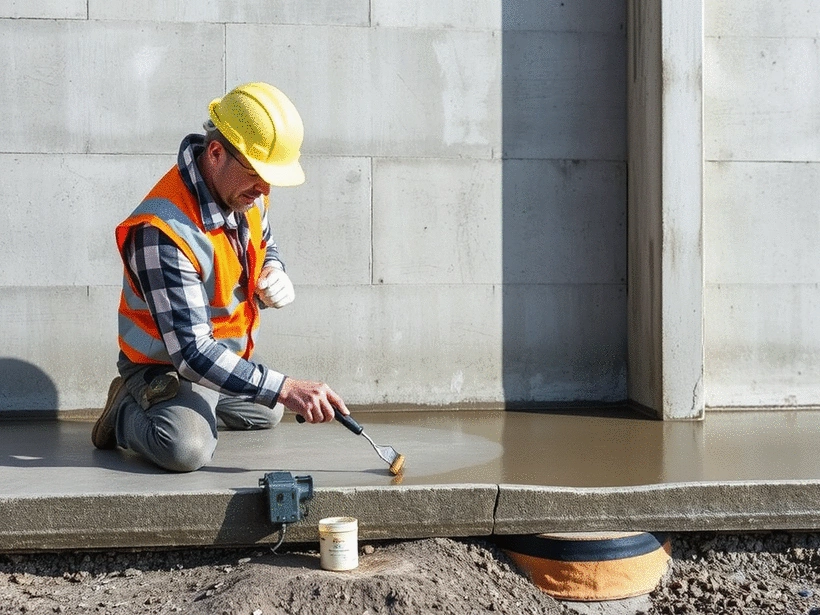
Water entering concrete can cause more than surface staining. Depending on the location and severity of the problem, persistent moisture may contribute to coating failure, deterioration of adjoining materials and damage to areas beneath or behind the affected surface. For property owners in Ballarat, effective concrete waterproofing starts with identifying the source of moisture and choosing a system suited to the concrete's condition and intended use.
This guide covers common concrete waterproofing problems, suitable treatment options, the factors that influence project costs and the questions worth asking before arranging professional work.
What You Will Learn
- How cracks, joints and surface defects can allow water to enter concrete.
- The differences between membranes, cementitious coatings, sealers and drainage solutions.
- Why identifying the source of moisture matters before waterproofing begins.
- Which factors influence the scope and cost of a concrete waterproofing project.
- How to assess a proposed solution and compare contractor quotes.
Concrete Waterproofing in Ballarat: Understanding the Requirements
Concrete is widely used in foundations, retaining walls, driveways, balconies, basements and commercial structures. Although it is strong, concrete can absorb moisture, and water may also enter through cracks, joints, penetrations or poorly detailed connections between building materials.
The appropriate waterproofing method depends on where the concrete is located and how it is exposed to water. An exposed driveway may need a different treatment from a basement wall in contact with soil or a balcony slab beneath tiles. The condition of the substrate, drainage arrangements and any existing coating must also be considered.
Ballarat properties experience seasonal weather changes, so it is important to assess how rainfall, surface drainage and ground moisture affect the particular structure. A waterproofing product should be selected for the actual application rather than simply because it is marketed as suitable for concrete.
For a broader overview of residential moisture protection, see our guide to waterproofing solutions for Ballarat homes.
Common Concrete Waterproofing Problems
Before choosing a product or arranging repairs, establish how water is reaching the concrete. Several different defects can produce similar symptoms, and treating the visible area without investigating the cause may not resolve the problem.
Cracking and Surface Deterioration
Cracks may develop through shrinkage, movement, loading or other factors. Their significance depends on the location, size, pattern and whether movement is continuing. Water entering through a crack can affect the concrete or adjoining materials, but waterproofing alone may not address the underlying cause.
Where cracks are widening, recurring after repair or accompanied by visible displacement, further assessment may be necessary before a waterproofing system is applied.
Leaks Around Joints and Penetrations
Construction joints, movement joints, pipe penetrations and connections between different materials can become vulnerable points for water entry. These details often require specific treatment because a general surface coating may not accommodate the movement or geometry involved.
The repair method should suit the joint or penetration and the expected exposure. Simply applying sealant over a defect without understanding its function may provide only temporary relief.
Persistent Dampness and Moisture Retention
Concrete that remains damp may be exposed to water from the ground, rainfall, plumbing leaks or another source. Moisture can also affect paint, plaster, flooring and other adjoining materials.
White mineral deposits, peeling finishes and recurring damp patches can help identify areas for investigation, but these symptoms do not establish the cause by themselves. Condensation and plumbing leaks, for example, can sometimes be mistaken for water penetrating through concrete.
Concrete Waterproofing Methods and Their Applications
Different systems serve different purposes. The most suitable option depends on the concrete substrate, the source of moisture, the level of water exposure and the finish required after the work is completed.
Liquid-Applied Membranes
Applied to a prepared substrate to form a continuous waterproofing layer. Suitability depends on the product, exposure and installation details.
Cementitious Systems
Cement-based waterproofing products used in suitable applications where compatibility with the substrate and expected water exposure has been established.
Penetrating Sealers
Products that reduce water absorption in suitable concrete surfaces. They are not automatically a substitute for a membrane where full waterproofing is required.
Drainage Improvements
Measures that manage water around a structure, helping reduce accumulation where poor drainage contributes to moisture problems.
Liquid Rubber and Flexible Membrane Systems
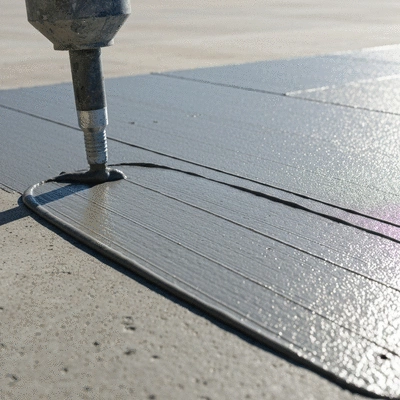
Some liquid-applied products form flexible membranes designed for compatible substrates and exposure conditions. They may be used on suitable concrete surfaces where a continuous protective layer is required.
Correct preparation, application thickness, curing and detailing around corners, joints and penetrations are important. The product must also be suitable for the intended use, including any exposure to standing water or foot traffic.
Cementitious Waterproofing
Cementitious waterproofing products can be appropriate for certain concrete and masonry applications. Their suitability depends on the product specification, substrate condition and the way the surface will be exposed to water.
They should not be assumed to bridge every crack or accommodate all structural movement. Existing defects and the expected behaviour of the substrate need to be considered before selecting the system.
Sealants and Water-Repellent Treatments
Sealants can be useful for compatible joints and localised defects, while penetrating water repellents may reduce absorption in suitable exposed concrete. These products have different functions and should be selected accordingly.
A water-repellent treatment is not necessarily a waterproof membrane. If the application requires a continuous barrier against water ingress, a more comprehensive system may be needed.
Drainage and Foundation Moisture Control
Where water accumulates beside concrete foundations or retaining walls, drainage may form part of the solution. Correcting surface falls, managing roof water and assessing suitable drainage arrangements can help reduce water collecting against the structure.
Drainage improvements and waterproofing are not interchangeable. The right approach depends on whether the main problem is water accumulation, a failed membrane, a crack or another route of entry.
For additional information about membrane applications in larger projects, see our article on waterproofing membranes for commercial use.
Practical Tip
Before applying a waterproofing product, check whether the concrete has cracks, loose material, an existing coating or persistent water accumulation. These conditions can influence product compatibility and preparation requirements. Addressing them first helps avoid choosing a system that treats the surface without resolving the underlying issue.
Concrete and Masonry Waterproofing: Important Differences
Concrete and masonry can both absorb moisture, but their construction and vulnerabilities may differ. Concrete surfaces may require attention to cracks, construction joints and the condition of the slab or wall. Masonry can involve multiple units and mortar joints, which may create different pathways for water entry.
In either case, the selected system needs to suit the substrate and the source of moisture. A product that performs well on one surface may not be suitable for another, particularly where movement, existing coatings or ongoing water exposure are involved.
For commercial applications, our guide to waterproofing membranes for commercial use provides additional context on membrane systems.
Why Surface Preparation Matters
Waterproofing products rely on a suitable substrate. Dust, oil, loose concrete, deteriorated coatings or unresolved defects can affect adhesion and the performance of the finished system.
Depending on the product and condition of the surface, preparation may involve:
- Removing dirt, dust, loose material and incompatible coatings.
- Assessing and repairing cracks, holes and damaged edges.
- Checking substrate moisture against the product's requirements.
- Preparing joints, corners, penetrations and changes in direction.
- Confirming that drainage and surface falls are appropriate for the application.
- Following the manufacturer's application and curing instructions.
Preparation should be tailored to the actual system being installed. Applying a new coating over an incompatible existing layer or concealing a continuing leak may lead to further problems.
What Influences the Cost of Concrete Waterproofing?
There is no single price that applies to every concrete waterproofing project. The scope depends on the area, condition of the concrete, accessibility, product requirements and repairs needed before installation.
Area Size and Site Access
The size of the surface influences the amount of material and labour required. Access can also affect the work, particularly where excavation, working at height, removal of existing finishes or protection of surrounding areas is necessary.
Condition of the Concrete
Cracks, loose material, deteriorated coatings and damaged joints may require repairs before waterproofing begins. If the cause of moisture is uncertain, additional investigation may also be needed.
Material and System Selection
Different products have different preparation, installation and curing requirements. The appropriate choice should be based on the required performance and compatibility with the structure, not price alone.
Drainage and Related Work
If water accumulation contributes to the problem, drainage or surface-level corrections may form part of the overall scope. These items should be identified separately in the quote so the full extent of the work is clear.
When comparing estimates, check that each contractor is quoting for a comparable scope. A lower price may exclude preparation, repairs or related work that another quote includes.
Choosing a Concrete Waterproofing Contractor
A suitable contractor should be able to explain the likely source of moisture, why a particular system is proposed and what preparation is required. Avoid relying on broad promises of permanent protection without understanding the conditions and limitations of the proposed work.
Questions worth asking include:
- How will the source of moisture be identified?
- What condition is the concrete in, and what repairs are required?
- Why is the proposed waterproofing system appropriate for this application?
- How will cracks, joints, penetrations and drainage be addressed?
- What preparation and curing requirements apply?
- What is included in the written scope, and what is excluded?
- Are product details and any applicable warranty conditions provided in writing?
Check any licensing, insurance or other qualifications that apply to the particular work. Ask for relevant examples of similar projects where appropriate, but do not assume that a certification or membership guarantees a particular result.
For more guidance on assessing providers, read our article about waterproofing services in Ballarat.
Maintenance After Concrete Waterproofing
Once the work is complete, maintenance should follow the requirements of the installed system and the conditions affecting the surface. Regular checks can help identify visible deterioration before it develops into a larger problem.
- Keep relevant drainage outlets and surrounding areas clear of debris.
- Check accessible surfaces for new cracks, peeling coatings or recurring dampness.
- Inspect visible joints and penetrations for signs of separation or deterioration.
- Investigate repeated water pooling or moisture rather than relying on repeated surface patches.
- Follow the product-specific maintenance recommendations supplied by the installer or manufacturer.
The need for inspections will vary according to the surface and its exposure. Where a leak returns after waterproofing, investigate the cause rather than automatically applying another layer.
Frequently Asked Questions About Concrete Waterproofing
- Why is concrete waterproofing important?
- Waterproofing can help limit moisture entering concrete and adjoining building materials. The appropriate system depends on the location, condition of the surface and level of water exposure.
- What are common signs of a concrete waterproofing problem?
- Warning signs can include recurring damp patches, water entering through cracks or joints, peeling finishes, white mineral deposits and persistent water accumulation. These symptoms can have several causes, so assessment is important.
- Which waterproofing method is best for concrete?
- There is no single best method for every application. Liquid-applied membranes, cementitious systems, penetrating sealers and drainage improvements serve different purposes. The correct option depends on the substrate and source of moisture.
- Can waterproofing stop concrete from cracking?
- Waterproofing may reduce water entry, but it does not prevent every type of crack. Cracks need to be assessed and treated according to their cause, and signs of ongoing movement may require further investigation.
- What affects the cost of concrete waterproofing?
- Cost factors include the size and condition of the area, access, preparation, repairs, product selection and any drainage work. A written quote should identify the proposed scope and exclusions.
- How do I choose a waterproofing contractor in Ballarat?
- Choose a provider who explains the likely moisture source, the proposed system, preparation requirements and the limits of the work. Compare written scopes and confirm any relevant qualifications, insurance and warranty conditions.
Planning Your Concrete Waterproofing Project
Successful concrete waterproofing begins with an accurate assessment of the problem. Cracks, joints, dampness and drainage issues can require different responses, and selecting a product before understanding the cause may leave the underlying defect unresolved.
If your Ballarat property has recurring moisture, leaking joints or deteriorating concrete, arrange an assessment to establish the likely source and the work required. A clearly defined scope, compatible materials and appropriate preparation provide a sound basis for choosing a waterproofing solution.