Foundation Waterproofing Ballarat Vic
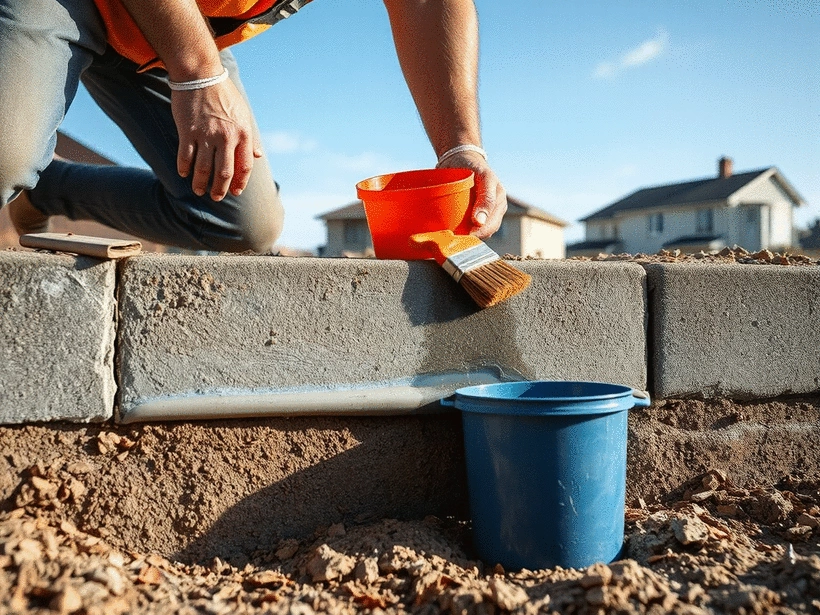
Foundation waterproofing helps protect Ballarat homes from moisture entering below-ground walls, foundations and other vulnerable building elements. When water accumulates around a foundation or penetrates through cracks and defective construction details, it can contribute to dampness, damaged finishes and deterioration of building materials.
The most suitable solution depends on the source of the moisture, the property's construction, ground conditions and existing drainage. Understanding these factors helps homeowners choose appropriate repairs instead of relying on surface treatments that may not address the underlying problem.
What You Will Learn
- How foundation waterproofing helps manage moisture around a home.
- The differences between waterproofing, damp proofing and drainage improvements.
- Common signs of foundation moisture problems.
- Factors to consider when choosing a suitable waterproofing method.
- How to assess contractors, compare quotes and plan ongoing maintenance.
Understanding Foundation Waterproofing in Ballarat
Foundation waterproofing involves measures designed to limit water penetration through or around foundation walls and below-ground structures. Depending on the property, these measures may include external membranes, suitable protective coatings, drainage improvements, crack repairs and changes to surface water management.
Ballarat properties vary in age, construction and site conditions. The way water moves around a home depends on factors such as ground levels, soil characteristics, roof runoff, drainage and the condition of existing moisture barriers. A suitable waterproofing approach should take these factors into account rather than assume every property has the same problem.
For a broader overview of residential protection, read our guide to waterproofing solutions for Ballarat homes.
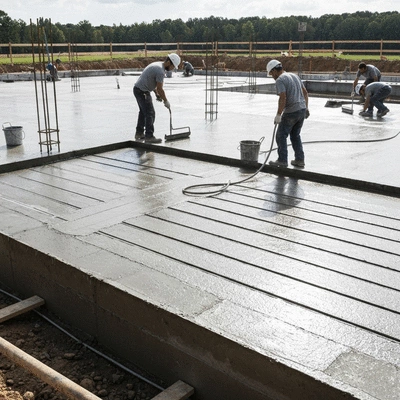
How Foundation Waterproofing Works
A foundation waterproofing system is intended to reduce water entry through vulnerable building elements. The design may incorporate several complementary measures:
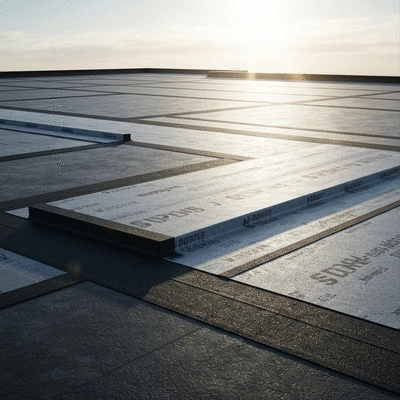
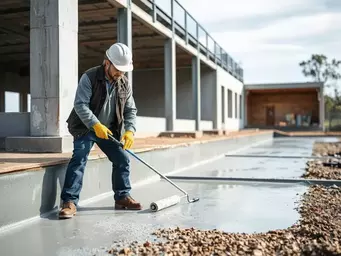
- Waterproof membranes: Suitable membranes can create a barrier against water penetration when correctly selected, detailed and installed.
- Drainage systems: Appropriate drainage can help manage water around foundations and reduce accumulation where the site conditions allow.
- Surface grading: Ground levels and surface drainage should direct runoff away from the building where practicable.
- Crack and joint repairs: Defects may need to be repaired using methods appropriate to the structure and source of water entry.
- Maintenance: Keeping gutters and drainage outlets clear helps manage water around the property.
These measures serve different purposes and may need to be combined. A membrane alone may not resolve a problem caused by poor drainage, while surface drainage improvements may not repair a defective below-ground waterproofing system.
Foundation Waterproofing vs Damp Proofing
Waterproofing and damp proofing are related but are not interchangeable terms. The distinction matters when choosing a treatment for a foundation or below-ground wall.
Foundation Waterproofing
Waterproofing is intended to resist water penetration under the conditions for which the system has been designed. The appropriate system depends on the structure, exposure, drainage conditions and potential water pressure.
Damp Proofing
Damp proofing generally limits moisture movement through building materials. It may be suitable in particular circumstances, but it should not automatically be assumed to provide the same protection as a system designed to resist water pressure.
Where moisture appears at the base of a wall, the cause should be established before selecting either approach. Possible causes include rising damp, leaking pipes, rainwater runoff, bridging of an existing damp-proof course or water entering through below-ground walls.
Signs of Foundation Moisture Problems
Foundation and below-ground moisture issues may develop gradually. Homeowners should investigate persistent or recurring symptoms, including:
- Damp patches on lower walls: Moisture near floor level may have several causes, including ground moisture, plumbing leaks or water entering through external walls.
- Efflorescence: White mineral deposits on masonry can indicate moisture moving through the material.
- Peeling paint or damaged plaster: Repeated moisture exposure can cause finishes to deteriorate.
- Musty smells or mould: Persistent dampness can contribute to mould growth in affected spaces.
- Water entering a basement or subfloor area: This may indicate drainage problems, defects in below-ground construction or another source of water entry.
- Cracks in walls or floors: Cracks can allow moisture to enter, but their cause and significance should be assessed rather than assumed.
These signs do not automatically mean that foundation waterproofing has failed. Plumbing faults, condensation, ground moisture and structural movement can produce overlapping symptoms. An investigation should establish the likely source before repairs are planned.
Managing Drainage Around Foundations
Water management around the property is an important part of reducing moisture risks. Roof runoff, blocked gutters, poorly directed downpipes and ground that slopes towards the building can contribute to water accumulating near foundations.
Homeowners can begin with basic checks:
- Keep gutters and accessible stormwater outlets clear of leaves and debris.
- Check that downpipes discharge into an appropriate drainage system.
- Look for areas where rainwater regularly pools close to the building.
- Check for blocked or damaged drainage components.
- Investigate changes in ground levels that may direct runoff towards foundation walls.
Drainage work should suit the site and must not redirect water onto neighbouring properties or create other problems. Where substantial excavation or below-ground drainage changes are required, obtain appropriate professional advice before proceeding.
Choosing Foundation Waterproofing Materials
Foundation waterproofing products must be suitable for the substrate, exposure conditions and intended application. Some systems are designed for external below-ground walls, while others are intended for different surfaces or exposure levels.
Before selecting a product or system, consider:
- Substrate condition: The wall or surface may need cleaning, repairs or preparation before application.
- Water exposure: The system must be appropriate for the expected moisture conditions and any relevant water pressure.
- Drainage: The proposed system should be considered alongside the site's drainage arrangements.
- Compatibility: Primers, membranes, protective layers and adjoining materials must be suitable for use together.
- Installation details: Joints, corners, penetrations and transitions need appropriate treatment.
- Access and protection: External work may require excavation, safe access and protection of the installed membrane during backfilling.
Membranes used for commercial projects may share some principles with residential applications, but the system must be suitable for the particular building element. See our article on waterproofing membranes for commercial use for related information.
Planning Foundation Waterproofing Repairs
Before arranging repairs, establish what is causing the moisture and whether the problem is localised or affects a larger section of the building. This helps determine whether the work requires drainage improvements, crack repairs, membrane replacement or another intervention.
Questions to Resolve Before Work Begins
- Where is the moisture appearing, and when does it occur?
- Does the problem follow rainfall, plumbing use or changes in ground conditions?
- Is there an existing membrane or damp-proof barrier?
- Are drainage, ground levels or downpipe connections contributing to the problem?
- Will excavation or access to external foundation walls be necessary?
- Are there cracks or signs of movement that require separate assessment?
- What preparation, repair work and reinstatement are included in the proposed scope?
Where cracks appear significant, are changing over time or occur alongside signs of structural movement, seek an appropriate building or structural assessment. Waterproofing work alone may not resolve the underlying structural issue.
Choosing a Foundation Waterproofing Contractor in Ballarat
When comparing contractors, look for a clear explanation of the suspected moisture source and the proposed method of addressing it. A useful quote should describe the work, materials, preparation requirements, access arrangements and any exclusions.
Consider asking:
- How will the source of water entry be investigated?
- Why is the proposed waterproofing or drainage method suitable for this property?
- Does the quote include surface preparation, crack repairs and removal of failed materials?
- Will excavation, drainage work or reinstatement be required?
- What materials will be used, and what installation requirements apply?
- What warranty terms and maintenance recommendations are provided?
- Are any additional inspections, approvals or specialist assessments needed?
Compare quotes on the basis of their scope and proposed solution, not price alone. If the source of water entry is uncertain, further investigation may be needed before a reliable repair scope can be established.
For more information about local options, see our guide to waterproofing services in Ballarat.
Maintenance After Foundation Waterproofing
Maintenance helps homeowners identify drainage problems and visible defects that may affect moisture management. It cannot replace a properly designed and installed waterproofing system, but it can help reveal issues that need attention.
- Inspect accessible gutters, downpipes and drainage outlets periodically.
- Look for recurring damp patches or deterioration on lower walls.
- Investigate water pooling near the building after rainfall.
- Monitor existing cracks for changes and seek advice if movement is suspected.
- Keep records of repairs, product information and maintenance instructions.
- Arrange further assessment if water entry returns after repairs.
Take care around excavations, unstable ground and confined subfloor spaces. These areas may present hazards and should not be accessed without suitable precautions and expertise.
Foundation Waterproofing and Home Insurance
Insurance cover for water damage depends on the wording of the policy, the cause of the damage and any applicable exclusions. Homeowners should not assume that all water ingress, gradual deterioration or defective waterproofing will be covered.
Review your policy documents and contact your insurer if you need clarification about a particular situation. Keep relevant inspection reports, photographs, invoices and records of completed work, as these may be useful when discussing a claim. Any potential premium discount or benefit should be confirmed directly with the insurer.
Frequently Asked Questions About Foundation Waterproofing
What is foundation waterproofing?
Foundation waterproofing uses suitable materials and construction methods to limit water penetration through below-ground walls and foundation elements. Depending on the property, it may involve membranes, drainage improvements and repairs to defects.
What is the difference between waterproofing and damp proofing?
Waterproofing systems are designed to resist water penetration under specified conditions, while damp proofing generally limits moisture movement through materials. The appropriate treatment depends on the source and severity of the moisture.
Can drainage improvements solve foundation dampness?
They can help when water accumulation or poorly directed runoff contributes to the problem. However, drainage changes will not necessarily repair a defective membrane, plumbing leak or other source of moisture.
How do I know if my foundation needs waterproofing?
Warning signs may include recurring damp patches, mineral deposits on masonry, damaged finishes or water entering a below-ground area. These symptoms have several possible causes, so an assessment may be necessary before deciding on waterproofing work.
How should I compare foundation waterproofing quotes?
Compare the investigation, repair method, materials, preparation, excavation and reinstatement requirements, exclusions and warranty terms. A clearly defined scope helps you understand what each quote covers.
Protecting Your Ballarat Home from Foundation Moisture
Foundation waterproofing is most effective when the repair method addresses the actual source of water entry. Membranes, drainage improvements, damp-proofing measures and surface water management can each play a role, depending on the property's construction and site conditions.
Look for recurring signs of moisture, check accessible drainage components and arrange an assessment when the cause is unclear. Before authorising substantial work, make sure the proposed solution, preparation requirements and exclusions are clearly documented.
For further guidance on protecting residential properties, explore our information about waterproofing solutions for Ballarat homes and bathroom waterproofing in Ballarat.