Waterproofing Concrete in Ballarat
Concrete is durable, but it is not completely immune to water penetration. In Ballarat, moisture entering concrete can contribute to damp patches, surface deterioration, corrosion of embedded steel and damage to adjacent building materials. Choosing the right waterproofing approach depends on where the concrete is located, how water reaches it and whether the surface has existing defects.
This guide explains common concrete waterproofing problems, the systems that may be suitable for different applications, and the checks worth making before arranging repairs or a new waterproofing installation.
What You Will Learn
- How to identify moisture problems affecting concrete surfaces.
- Why cracks, joints, drainage and surface preparation matter before waterproofing.
- The differences between membranes, penetrating sealers and liquid-applied coatings.
- How the intended use of a concrete surface influences product selection.
- What to ask a contractor before proceeding with waterproofing work.
Understanding Concrete Waterproofing in Ballarat
Concrete waterproofing involves reducing or preventing water from passing through a concrete structure or reaching vulnerable adjoining materials. The appropriate method depends on the structure's exposure, the direction of water entry and the performance required from the finished surface.
A concrete driveway exposed to rain has different requirements from a basement wall in contact with damp soil. Similarly, a balcony or rooftop concrete slab may need a complete waterproofing system that works with its drainage, falls, joints and finished surface. Applying the same coating to every situation can leave the underlying cause of moisture unresolved.
For a broader overview of moisture protection around residential properties, see our guide to understanding residential waterproofing in Ballarat.
Why Concrete Can Develop Water-Related Problems
Although concrete is strong under many conditions, it can absorb moisture through its pore structure. Water can also enter through cracks, construction joints, poorly sealed penetrations and gaps where different building materials meet.
Common contributing factors include:
- Cracks and surface defects: Shrinkage, movement or deterioration can create pathways for water to enter.
- Persistent dampness: Concrete that remains wet for extended periods may develop staining, surface breakdown or moisture-related problems in adjoining areas.
- Poor drainage: Water collecting beside a slab or against a wall can increase the opportunity for moisture penetration.
- Failed joints and penetrations: Movement joints, pipe entries and connections between surfaces can become vulnerable points.
- Unsuitable or deteriorated coatings: An existing sealer or membrane may no longer provide the protection required for the location.
Ballarat properties experience seasonal temperature changes and periods of wet weather. These conditions make it important to assess the exposure of the concrete rather than assuming that a waterproof coating alone will resolve every moisture issue.
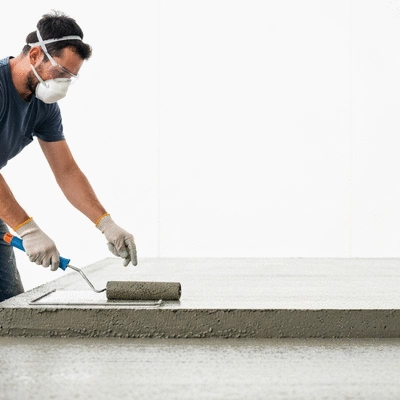
Common Concrete Waterproofing Challenges and Suitable Approaches
The first step is to identify the source of the moisture and the condition of the concrete. The following comparison outlines common problems and approaches that may be considered after an appropriate assessment.
Common Problems
- Cracks and deteriorating concrete
- Water pooling on exposed slabs
- Damp basement or retaining walls
- Leaks around joints and penetrations
Possible Approaches
- Repair defects before coating
- Correct drainage and surface falls
- Use a suitable membrane system
- Seal compatible joints and penetrations
These approaches are not interchangeable. For example, a penetrating sealer intended to reduce water absorption on an exposed surface should not automatically be treated as a replacement for a waterproof membrane required beneath a tiled balcony or within another water-sensitive building assembly.
Types of Concrete Waterproofing Systems
Several product categories can be used to protect concrete, but their suitability depends on the application, the substrate condition and the manufacturer's installation requirements.
1. Waterproofing Membranes
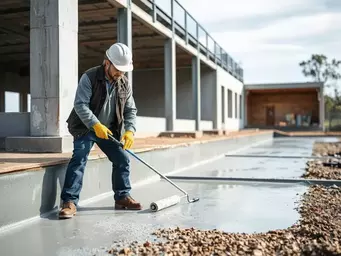
Membranes form a protective layer designed to restrict water penetration. Depending on the product and system, they may be supplied as sheet membranes or applied in liquid form to create a continuous layer.
Membrane systems may be considered for applications such as basement walls, retaining walls, balconies and other areas where water ingress must be controlled. The system needs to suit the exposure conditions and must be detailed correctly around corners, joints, penetrations and changes in direction.
For projects involving building structures and more complex moisture risks, the relevant background may also be found in our guide to waterproofing solutions for Ballarat homes.
2. Penetrating Concrete Sealers
Penetrating sealers enter the pores of suitable concrete and can reduce water absorption. They may be appropriate for some exposed concrete driveways, paths and other surfaces, depending on the product and the intended level of protection.
A penetrating sealer does not necessarily bridge cracks or provide the same protection as a continuous waterproofing membrane. Before applying one, check whether the surface has existing cracks, moving joints, persistent ponding or another defect that requires separate attention.
3. Liquid-Applied Coatings
Liquid-applied products are installed over a prepared substrate and form a coating or membrane after curing. Depending on the system, they may provide a continuous protective layer and accommodate a specified degree of movement.
Not every liquid coating is suitable for every concrete surface. The product must be compatible with the substrate, expected movement, exposure and any finish that will be installed over it. Application thickness, curing conditions and surface preparation can all affect the finished result.
4. Repairs to Cracks, Joints and Penetrations
Waterproofing may fail when cracks, joints or service penetrations are left untreated. These areas need to be assessed before a new protective system is installed.
The correct repair method depends on the cause and nature of the defect. A stable surface crack may require a different treatment from a moving joint or a crack associated with ongoing structural movement. If movement or structural deterioration is suspected, the cause should be investigated rather than simply covering the affected area.
Why Surface Preparation Matters
Waterproofing products rely on the condition of the substrate to perform as intended. Applying a membrane or coating over loose concrete, contamination or an unsuitable existing finish can compromise adhesion and may lead to premature failure.
Before installation, a contractor should determine whether the surface requires:
- Removal of dust, dirt, grease, loose material or incompatible coatings.
- Repair of cracks, holes, damaged edges and other surface defects.
- Assessment of moisture levels and substrate suitability for the selected product.
- Correction of drainage problems or areas where water consistently collects.
- Preparation of corners, joints, penetrations and connections to adjacent materials.
Preparation requirements vary between systems. Some products require a dry substrate, while others have different permitted moisture conditions. The manufacturer's instructions should guide the preparation and application process.
Practical Tip
If concrete remains damp after rain or water repeatedly appears in the same location, identify the likely entry point before selecting a waterproofing product. Check nearby drainage, joints, cracks and adjoining surfaces. Treating the visible stain without addressing the source may leave the underlying problem unresolved.
Choosing the Right Solution for Different Concrete Areas
The location of the concrete is one of the most important factors when deciding how it should be protected.
Driveways and Pathways
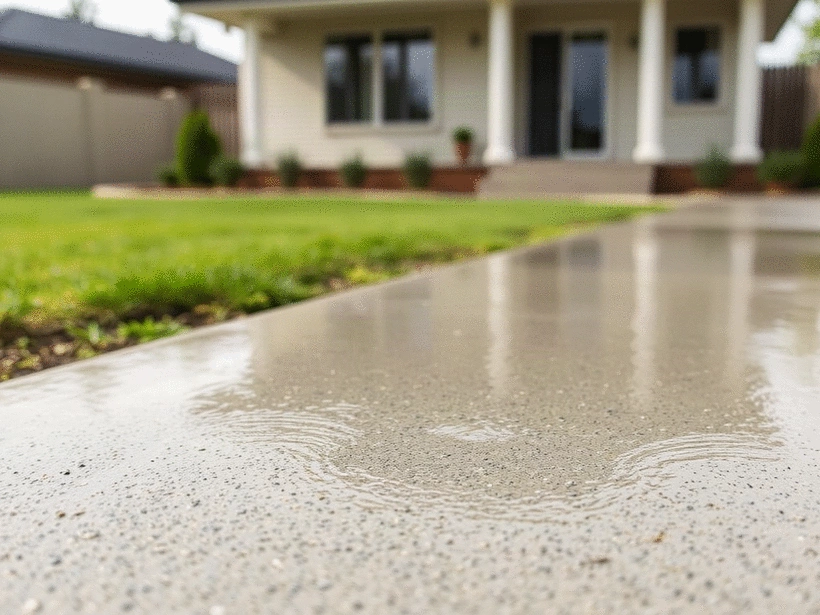
Exposed concrete driveways and paths are affected by rainfall, surface wear and the way water drains away. A suitable sealer may help reduce water absorption, but it will not correct poor falls, significant cracking or water collecting against the building.
Before selecting a product, assess the surface condition, expected traffic and whether the finish needs to remain slip-resistant. Product suitability should be confirmed for the particular use.
Basements and Retaining Walls
Concrete walls in contact with soil may be exposed to moisture from the surrounding ground. The appropriate waterproofing approach depends on whether the work is being undertaken from the external or internal side, the level of water exposure, drainage conditions and the condition of the structure.
Where access is available, external protection and suitable drainage may form part of the solution. Internal treatments can have different functions and limitations, so the source of the water should be assessed before work begins.
Balconies and Rooftop Concrete Slabs
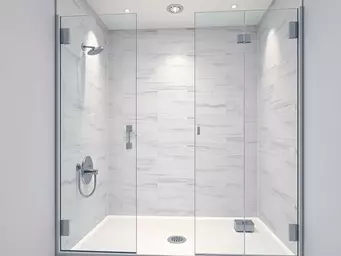
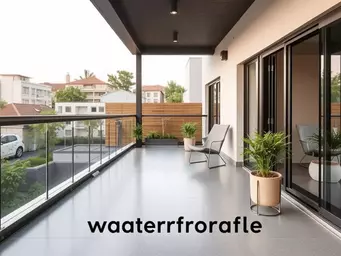
Balconies and rooftop slabs require careful attention to drainage, junctions, penetrations and the interface between the waterproofing layer and the finished surface. Water pooling or leakage into rooms below may indicate a problem with the membrane, detailing, drainage or another part of the building assembly.
These areas should not be treated as ordinary exposed concrete. A compatible system must be selected for the full construction detail, including any tiles, screeds or protective layers. For further information, read our article on waterproofing concrete in Ballarat.
Warning Signs That Concrete May Need Attention
Early investigation can help establish whether a visible defect is cosmetic or connected to a more significant moisture issue. Watch for:
- Persistent damp patches: Areas that remain wet or repeatedly become damp may indicate ongoing moisture exposure.
- Efflorescence: White mineral deposits on the surface can occur when moisture carries dissolved salts through concrete or masonry.
- Flaking or spalling: Surface layers breaking away may relate to moisture, exposure, corrosion or other deterioration mechanisms.
- Recurring cracks: Cracks that widen, reappear after repairs or show signs of movement need closer assessment.
- Water entering adjoining spaces: Leaks through a basement wall, balcony or slab junction warrant investigation of the likely entry route.
- Persistent surface pooling: Standing water may point to drainage or fall problems that need to be addressed alongside waterproofing.
These signs do not all have the same cause. A contractor should assess the location, pattern and severity of the problem before recommending a repair or protective coating.
What to Consider Before Hiring a Waterproofing Contractor
The quality of a waterproofing outcome depends on more than the product selected. The diagnosis, preparation, installation details and suitability of the system for the application all matter.
When comparing contractors for a concrete waterproofing project in Ballarat, consider asking the following questions:
- What is the likely source of the moisture, and how will it be assessed?
- Does the existing concrete need repairs or additional preparation?
- Which waterproofing system is proposed, and why is it suitable for this location?
- How will cracks, joints, corners, penetrations and drainage be addressed?
- What substrate and weather conditions are required during installation?
- What maintenance is recommended after the work is completed?
- Are the scope of work, product details, exclusions and any applicable warranty conditions provided in writing?
Ask for a clear explanation of what the proposed work will and will not resolve. If the source of the moisture cannot be established confidently, further investigation may be needed before committing to a particular system.
For additional guidance on comparing providers and assessing proposed work, see our guide to waterproofing services in Ballarat.
Maintenance After Concrete Waterproofing
Waterproofing should be followed by appropriate maintenance. The type and frequency of checks depend on the surface, the system installed and its exposure to weather or wear.
- Keep drainage outlets and nearby gutters clear where they affect the concrete area.
- Check exposed surfaces for new cracks, coating damage or recurring damp patches.
- Inspect accessible joints and penetrations for deterioration or separation.
- Address persistent water pooling rather than allowing it to continue unchecked.
- Follow the maintenance instructions supplied for the specific waterproofing product.
If moisture returns after waterproofing, avoid automatically applying another layer over the existing surface. The original cause may remain, or the installed system may need a more specific repair.

Frequently Asked Questions About Concrete Waterproofing
- What is concrete waterproofing?
- Concrete waterproofing uses suitable membranes, coatings, sealers or related detailing to reduce or prevent water penetration. The correct method depends on the concrete's location, condition and exposure.
- Can every concrete surface be waterproofed using the same product?
- No. A driveway, basement wall and tiled balcony have different performance requirements. Product selection should account for water exposure, substrate condition, movement, drainage and any finished surface.
- Will a waterproof coating fix cracks in concrete?
- Not necessarily. Some systems can accommodate a specified degree of movement, but existing cracks may need separate assessment and repair. Cracks associated with ongoing movement or structural concerns require further investigation.
- Why does water continue to enter concrete after sealing?
- Possible reasons include an unsuitable product, poor surface preparation, untreated cracks or joints, failed detailing, persistent water pressure or drainage problems. The cause should be identified before another treatment is applied.
- Is a penetrating sealer the same as a waterproofing membrane?
- No. A penetrating sealer generally reduces water absorption within suitable concrete, while a membrane forms a protective layer. They serve different purposes and should not be treated as interchangeable.
- What should I do if a concrete basement wall stays damp?
- Look for recurring moisture patterns, visible cracks, water entry points and drainage issues around the structure. A professional assessment can help determine whether the issue relates to external water entry, condensation or another cause.
- How do I choose a concrete waterproofing contractor in Ballarat?
- Look for a contractor who investigates the moisture source, explains why the proposed system suits the application, identifies preparation and repair requirements, and provides a clear written scope of work.
Plan Your Concrete Waterproofing Project
Effective concrete waterproofing starts with understanding how water is reaching the structure and what protection the surface requires. Cracks, damp patches and surface deterioration should be assessed in context, with attention to drainage, joints, substrate preparation and the suitability of the proposed system.
If your Ballarat property has recurring dampness, water penetration or deteriorating concrete, arrange an assessment before choosing a product. A clear diagnosis and an appropriate installation plan can help address the actual problem rather than simply covering its visible symptoms.