Residential Waterproofing Ballarat Vic
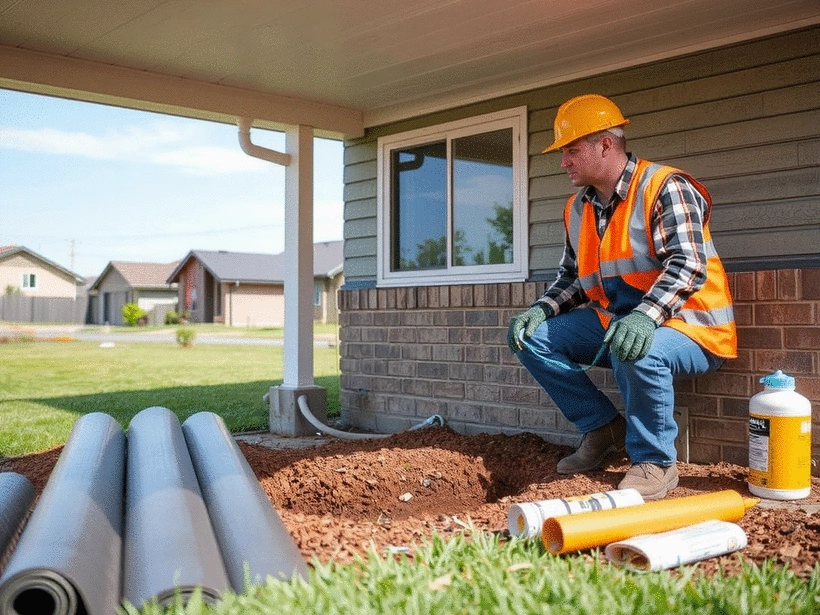
Residential waterproofing helps protect Ballarat homes from water ingress, dampness and moisture-related deterioration. Areas such as bathrooms, balconies, foundations, external walls and roofs can all be vulnerable when drainage, seals or waterproofing systems deteriorate. Identifying the source of moisture early can help homeowners choose appropriate repairs and reduce the risk of further damage.
Because every property has different construction details and exposure conditions, an effective waterproofing approach begins with assessing the affected area rather than applying the same treatment to every problem.
What You Will Learn
- How waterproofing helps protect residential building materials from moisture.
- Common warning signs of water ingress and dampness.
- The main waterproofing options for bathrooms, balconies, foundations and external walls.
- Why surface preparation, drainage and product compatibility matter.
- What to consider when comparing waterproofing quotes.
- When professional assessment is preferable to a DIY repair.
The Importance of Residential Waterproofing in Ballarat
Water can enter a home through defective membranes, damaged seals, leaking plumbing, roof junctions, cracks or inadequate drainage. Once moisture reaches concealed building materials, the resulting damage may not become obvious until staining, peeling finishes or deterioration appears.
Ballarat homes vary in age, construction and exposure to weather. Older properties may have different damp-proofing details from newer homes, while extensions and renovations can introduce junctions between materials that require careful sealing. The appropriate solution depends on the location and cause of the problem.
How Waterproofing Helps Protect Your Home
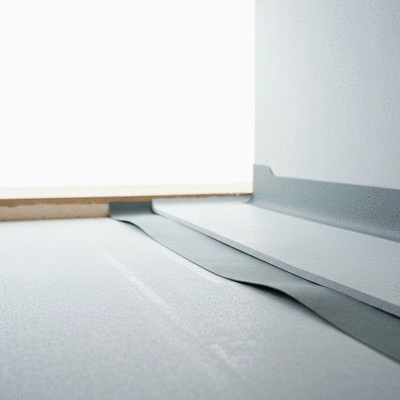
A correctly selected and installed waterproofing system helps limit unwanted water penetration in the building areas it is designed to protect. Depending on the application, this may involve a membrane, protective coating, damp-proof barrier, compatible sealant or improvements to water drainage.
Effective moisture management can help reduce the likelihood of damage to plaster, flooring, timber and other building materials. It can also help prevent persistent damp conditions that may contribute to mould growth.
For an overview of approaches suited to different residential properties, see our guide to waterproofing solutions for Ballarat homes.
Common Signs of Water Ingress
Homeowners should investigate recurring or unexplained moisture, particularly when it appears after rainfall or around wet areas. Common warning signs include:
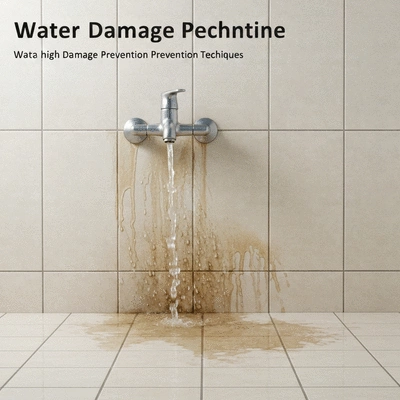
- Water stains: Brown or discoloured patches on ceilings and walls can indicate a leak or moisture penetration.
- Peeling paint and damaged plaster: These may develop when moisture accumulates behind finishes.
- Musty smells or mould: Persistent dampness can create conditions that support mould growth, although condensation and poor ventilation can also contribute.
- Swollen timber or flooring: Water exposure may cause skirting boards, floorboards or other timber components to deteriorate.
- Damp lower walls: Moisture near floor level may be associated with rising damp, external ground levels, plumbing or inadequate drainage.
- Recurring leaks: Repeated water entry after temporary repairs suggests the underlying cause may not have been resolved.
These signs do not automatically mean a waterproofing membrane has failed. Plumbing faults, condensation, roof defects and drainage problems can produce similar symptoms. Identifying the source should come before selecting a repair method.
Types of Residential Waterproofing Solutions
Different parts of a property face different moisture risks. The following methods address common residential applications, but the most suitable approach depends on the building materials, existing construction and condition of the affected area.
1. Bathroom and Kitchen Waterproofing
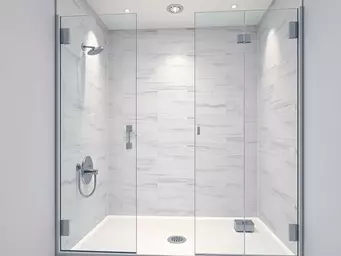
Bathrooms and kitchens experience regular water exposure around showers, baths, sinks, plumbing penetrations and floor junctions. In bathrooms, the waterproofing system must be suitable for the wet-area design and installed with attention to corners, joints, penetrations and connections to drainage.
Cracked grout or deteriorated silicone may need attention, but replacing these materials will not necessarily resolve a leak caused by a defective membrane. Where moisture persists, the affected area should be assessed before cosmetic repairs are carried out.
Learn more in our guide to bathroom waterproofing in Ballarat.
2. Basement and Foundation Waterproofing
Below-ground walls and foundations can be exposed to moisture from surrounding soil, surface runoff or groundwater. Depending on the circumstances, suitable measures may include external waterproofing, drainage improvements, crack repairs or internal moisture-management systems.
The source of the water is important. A coating applied to an internal wall may not resolve water pressure or drainage problems outside the building. An assessment should consider ground levels, drainage paths, wall construction and the condition of any existing protection.
For more detail, see foundation waterproofing in Ballarat.
3. Damp Proofing for Walls and Floors
Damp proofing is intended to limit moisture movement through building materials. Dampness at the base of a wall may be associated with a failed or missing damp-proof course, but it can also result from bridging, raised external ground levels, leaking pipes or poor drainage.
Before choosing a damp-proofing treatment, investigate the possible causes. Applying a surface product without addressing the source may provide only temporary improvement.
4. Balcony and Terrace Waterproofing
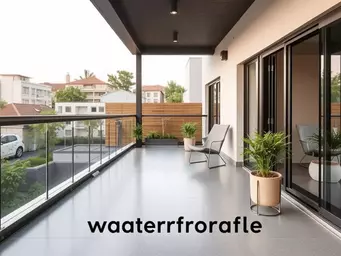
Balconies and terraces are exposed to rainfall, temperature changes and repeated wetting and drying. Their waterproofing performance depends on the condition of the membrane, drainage outlets, surface falls and junctions around doors, walls and balustrades.
Warning signs include water entering near an external doorway, damaged finishes, ponding water or dampness on the ceiling beneath a balcony. The repair may require more than applying a new coating to the visible surface.
5. Roof and External Wall Waterproofing
Roofs and external walls protect the building from weather. Water can enter through damaged flashings, deteriorated joints, defective penetrations, cracks or failed coatings. Once inside the building envelope, moisture may travel before appearing on an internal surface.
Roof leaks should be investigated carefully because the location of an internal stain may not match the point where water entered. External wall problems may similarly require examination of joints, openings and adjoining building elements.
For additional information, see roof waterproofing solutions in Ballarat.
Waterproofing Membranes and Coatings
Waterproofing membranes and coatings are available for different substrates and applications. Their suitability depends on factors such as the surface material, expected movement, water exposure, drainage conditions and compatibility with adjoining products.
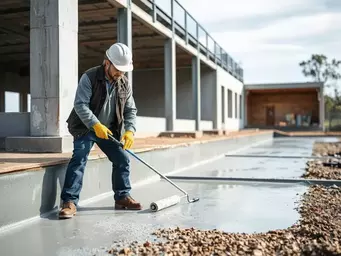
Some systems are applied as liquids, while others use sheet membranes. Neither type is automatically suitable for every situation. Correct surface preparation, application conditions, coverage, detailing and curing are important to the performance of the installed system.
Before a membrane is selected, establish:
- Whether the product is intended for the particular location and exposure.
- Whether the substrate is sound, clean and sufficiently dry for installation.
- How corners, joints, penetrations and drainage connections will be treated.
- Whether the proposed system is compatible with existing materials.
- What curing times, protection measures and maintenance instructions apply.
For a more specific discussion of wet-area products, read about waterproof membranes for Ballarat bathrooms.
Maintenance That Helps Reduce Moisture Problems
Maintenance cannot prevent every leak, but regular checks can help identify defects before they cause more extensive damage. The appropriate inspection schedule depends on the age, construction and condition of the property.
- Keep gutters, downpipes and accessible drainage outlets clear of debris.
- Check visible sealants and joints for cracking, separation or deterioration.
- Look for changes in ceilings, walls, flooring and skirting boards.
- Investigate recurring moisture rather than repeatedly painting over stains.
- Maintain bathroom ventilation and address persistent condensation.
- Arrange further investigation if leaks return after a repair.
Take particular care when inspecting roofs, elevated balconies or confined areas. Do not undertake hazardous access work without appropriate equipment and training.
Choosing a Waterproofing Contractor in Ballarat
Choosing a contractor involves more than comparing the final quote. Homeowners should understand what is causing the problem, what work is proposed and what the price includes.
When requesting an assessment, consider asking the contractor:
- What are the likely causes of the moisture, and how will they be checked?
- Does the proposed work address the source or only the visible damage?
- What preparation and repairs are needed before waterproofing begins?
- Which products or systems are proposed, and why are they suitable?
- Does the quote include removal of failed materials, disposal and reinstatement?
- What access, drying and curing time will be required?
- What warranty terms, exclusions and maintenance requirements apply?
- Will any additional trades or follow-up inspections be needed?
Obtain written quotes that clearly describe the work and any exclusions. Where the cause of a leak is uncertain, ask whether further investigation is needed before the full repair scope can be confirmed.
You can also review our information about waterproofing services in Ballarat when researching available options.
DIY Waterproofing or Professional Repairs?
Some minor maintenance tasks, such as keeping accessible drainage points clear or replacing a small amount of deteriorated sealant in a suitable location, may be manageable for a capable homeowner. However, these tasks should not be confused with repairing a failed waterproofing system.
Waterproofing work involving showers, concealed membranes, foundations, structural cracks, roofs or elevated balconies can require specialist knowledge and appropriate safety precautions. Incorrect preparation or an incompatible product may leave the original problem unresolved.
Before attempting a repair, identify the likely source of moisture, read the product instructions and check whether the work requires a qualified trade or other professional involvement. If water is entering concealed spaces, damage is recurring or the cause is uncertain, seek an appropriate assessment.
Frequently Asked Questions About Residential Waterproofing in Ballarat
Why is residential waterproofing important?
Waterproofing helps limit water penetration in vulnerable parts of a home. When appropriately designed and installed, it can help protect building materials from moisture-related deterioration and reduce the likelihood of recurring water damage.
What are the most common signs of water ingress?
Warning signs include water stains, peeling paint, damaged plaster, persistent damp smells, mould, swollen timber and recurring leaks. These symptoms can have several causes, so investigation may be necessary to identify the source.
Which areas of a home may need waterproofing?
Common areas include bathrooms, showers, balconies, roofs, external walls, basements and foundations. The appropriate solution depends on the building's construction and the type of moisture exposure.
Can I waterproof my home myself?
Some minor maintenance tasks may be suitable for DIY, but complex or concealed waterproofing problems are better assessed by an appropriately qualified professional. Incorrect repairs may fail to address the source of water ingress.
How can I compare waterproofing quotes?
Compare the investigation, preparation, repair scope, materials, access requirements, exclusions and applicable warranty terms. A clear written quote makes it easier to understand what each contractor is proposing.
Planning Your Residential Waterproofing Project
Protecting a Ballarat home from water ingress begins with understanding the building's vulnerabilities and responding to warning signs early. Whether the concern involves a bathroom, balcony, roof, external wall or foundation, the repair should address the underlying cause rather than simply covering visible damage.
Document the problem, arrange an assessment where necessary and compare written proposals before committing to substantial work. A suitable waterproofing solution should account for the affected building materials, moisture conditions, preparation requirements and ongoing maintenance.
With a clear understanding of the problem and the work required, homeowners can make better-informed decisions about maintaining their property's condition and managing moisture risks.