Wet Area Waterproofing Ballarat Vic
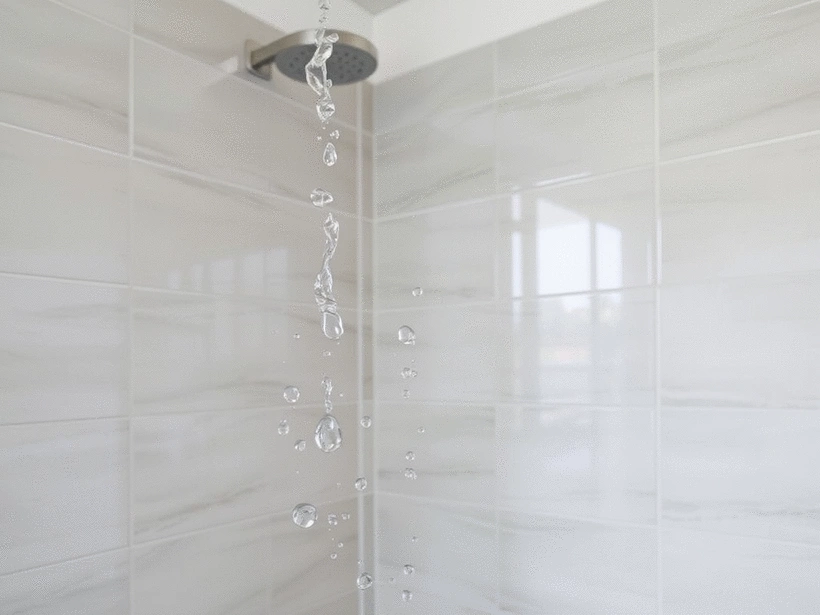
Wet area waterproofing helps protect Ballarat homes from moisture damage in bathrooms, laundries and other areas exposed to regular water contact. When water penetrates walls, floors or adjoining building materials, it can contribute to damaged finishes, persistent dampness and costly repairs.
Choosing an appropriate waterproofing system starts with understanding the area being protected, the condition of the existing surfaces and how water is managed around the property. Regular inspections and timely repairs can also help homeowners identify problems before they become more extensive.
What You Will Learn
- Which areas of a Ballarat home may require waterproofing.
- How wet area membranes help protect walls, floors and adjoining spaces.
- Common warning signs of moisture penetration and waterproofing failure.
- What to consider when selecting a waterproofing contractor and materials.
- Practical maintenance steps for managing moisture and drainage.
Understanding Wet Area Waterproofing in Ballarat
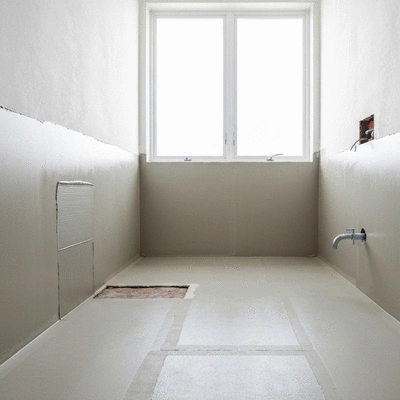
Wet area waterproofing involves using suitable membranes and associated detailing to limit water penetration into building materials. Bathrooms, showers and laundries are common applications because their surfaces and junctions are regularly exposed to water.
The performance of a waterproofing system depends on more than the membrane itself. Surface preparation, corners, floor-to-wall junctions, plumbing penetrations and drainage connections must all be considered during installation.
Waterproofing requirements vary according to the building design, construction materials and scope of work. For a broader overview, read our guide to residential waterproofing in Ballarat.
Common Areas That May Require Waterproofing
Bathrooms and Showers
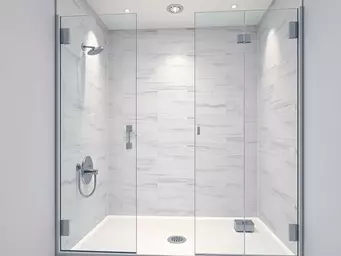
Bathrooms are exposed to repeated water contact around showers, baths, basins and floor junctions. A suitable waterproofing system helps prevent water from reaching surrounding building materials. Deteriorated sealants, cracked finishes or recurring leaks should be investigated to determine whether the problem is limited to a surface defect or involves concealed waterproofing.
Learn more about bathroom waterproofing in Ballarat.
Laundries
Laundries can be exposed to leaks from washing machines, taps, hoses and plumbing connections. The required protection depends on the layout, fixtures, floor construction and applicable building requirements. Check hoses and connections periodically, and investigate any unexplained moisture around appliances or floor edges.
Balconies and Terraces
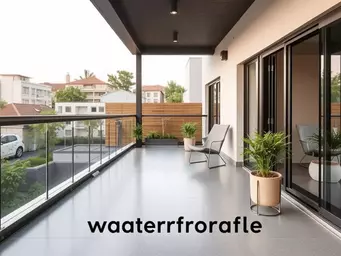
Balconies face rainfall and changing weather conditions. Defects in membranes, drainage outlets, surface falls or junctions around doors and walls can allow water to enter adjoining rooms or the structure below. Persistent ponding or recurring leaks should be assessed rather than covered with a surface coating alone.
See our guide to balcony waterproofing solutions in Ballarat.
Roofs and Rooftop Areas
Roofs require suitable protection at membrane joints, flashings, penetrations and drainage points. Water may travel through concealed spaces before appearing as a ceiling stain, so the visible damage may not identify the original entry point.
For more information, read about roof waterproofing solutions in Ballarat.
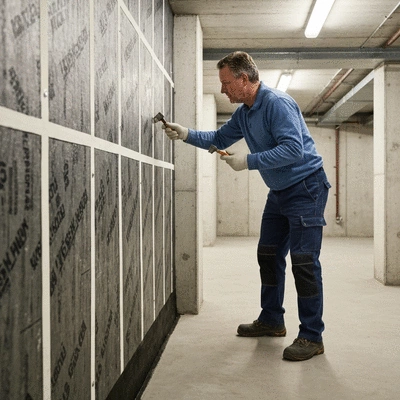
Basements and Foundations
Below-ground areas may be affected by ground moisture, surface runoff or water pressure against walls. The appropriate approach depends on the construction, drainage conditions and source of moisture. Internal coatings alone may not resolve a problem originating outside the building.
Our article on foundation waterproofing in Ballarat explains additional considerations for these areas.
Benefits of Bathroom and Shower Waterproofing
A suitable waterproofing system helps limit moisture penetration and can reduce the risk of damage to adjoining materials. Its effectiveness depends on correct installation and ongoing attention to defects that develop over time.
- Protection for building materials: Reduces the likelihood of moisture reaching vulnerable walls, floors and adjoining spaces.
- Moisture management: Helps limit conditions that can contribute to persistent dampness and mould growth.
- Reduced repair risks: Addressing waterproofing defects can help prevent some forms of secondary damage.
- Better bathroom maintenance: A properly installed system, combined with appropriate care, supports the long-term use of the wet area.
Waterproofing does not eliminate every source of dampness. Plumbing leaks, condensation and poor ventilation can produce similar symptoms and may require different remedies.
Waterproofing Membranes and Moisture Barriers
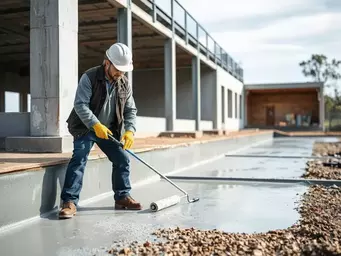
Waterproofing membranes are designed for particular applications and must be suitable for the substrate, exposure conditions and intended use. Different systems may be available for bathrooms, balconies, roofs and below-ground structures, but products should not be assumed to be interchangeable.
When planning a waterproofing project, consider the following factors:
- Surface condition: The substrate must be suitable for the selected system and prepared according to the product instructions.
- Junction detailing: Corners, penetrations, floor wastes and changes between surfaces require appropriate treatment.
- Product compatibility: Membranes, primers, sealants and adjoining finishes must be suitable for use together.
- Application conditions: Temperature, moisture levels, coverage and curing time may affect installation.
- Maintenance requirements: Understand how the finished system should be inspected and maintained.
For a closer look at wet-area products, see our article about waterproof membranes for Ballarat bathrooms.
Recognising Waterproofing Problems
Identifying warning signs early can help homeowners arrange an appropriate investigation. Look for:
- Water stains on ceilings or adjoining walls.
- Peeling paint, bubbling finishes or deteriorating plaster.
- Loose or cracked tiles and damaged grout.
- Persistent musty smells or recurring mould.
- Damp patches that return after cleaning or cosmetic repairs.
- Water escaping from a shower or laundry into neighbouring areas.
These signs do not automatically prove that a waterproofing membrane has failed. The source may be a plumbing fault, damaged sealant, drainage issue, condensation or a defect elsewhere in the building.
Where the cause is unclear, an assessment should examine the affected area and surrounding construction before a repair method is selected.
Choosing a Waterproofing Contractor in Ballarat
Selecting a contractor involves understanding the proposed work, the materials to be used and how the source of the moisture will be addressed. A clear written quote can help homeowners compare options and understand what is included.
Consider asking prospective contractors:
- What is the likely cause of the problem, and how will it be investigated?
- Does the work involve surface maintenance, plumbing repairs or membrane replacement?
- What preparation and removal of existing materials will be required?
- Which waterproofing system is proposed, and why is it suitable?
- What curing times, access arrangements or restrictions on use should be expected?
- What work is excluded from the quote?
- What warranty terms, maintenance instructions and documentation will be provided?
Check relevant experience, references where available and the suitability of the proposed materials. Where building requirements or approvals apply, ask how these will be addressed for the particular project rather than assuming every repair follows the same process.
For further guidance, explore our information about waterproofing services in Ballarat.
Maintaining Waterproofed Areas
Regular maintenance can help identify visible defects and drainage problems, although it cannot compensate for an incorrectly installed or failed membrane.
- Inspect visible seals: Look for cracking, separation or deterioration around fixtures and joints.
- Keep drains clear: Remove accessible debris from shower wastes and outdoor drainage points.
- Monitor damp areas: Investigate recurring stains, smells or moisture rather than repeatedly covering them with paint.
- Manage bathroom humidity: Use appropriate ventilation to help reduce condensation.
- Address leaks promptly: Check plumbing connections and arrange repairs when unexplained water appears.
- Follow product guidance: Use the cleaning and maintenance methods recommended for the installed system.
Take care when inspecting roofs, elevated balconies or other areas where access presents a safety risk. Use appropriate qualified assistance where needed.
Frequently Asked Questions About Wet Area Waterproofing
What is wet area waterproofing?
Wet area waterproofing uses suitable membranes and associated detailing to help prevent water from penetrating vulnerable building materials in areas such as bathrooms, showers and laundries.
Which areas of a home commonly require waterproofing?
Bathrooms, showers, laundries and balconies are common applications. Roofs, basements and foundations may also require waterproofing or other moisture-control measures, depending on the building design and conditions.
Can replacing grout fix a waterproofing leak?
Not necessarily. Replacing grout or surface sealant may resolve a localised defect, but it will not repair a failed membrane or leaking pipe. The source of the water should be identified before deciding on the repair.
How can I maintain waterproofed areas?
Inspect visible joints and finishes, keep accessible drainage points clear, manage bathroom humidity and investigate recurring dampness promptly. Follow the maintenance instructions for the installed waterproofing system.
What should I look for when comparing contractors?
Look for a clearly defined scope of work, an explanation of the proposed repair, suitable materials, transparent pricing, relevant experience and written information about exclusions, maintenance and warranty terms.
Planning Your Wet Area Waterproofing Project
Effective wet area waterproofing begins with identifying the areas exposed to water and understanding how the building is constructed. Bathrooms, laundries, balconies, roofs and foundations each present different conditions, so the proposed system and repair method should suit the specific application.
Inspect visible areas, investigate recurring moisture and compare written proposals before committing to substantial repairs. A solution based on the actual cause of water ingress is more useful than a cosmetic treatment that leaves the underlying problem unresolved.
For more information, explore our guide to waterproofing solutions for wet areas and our overview of residential waterproofing in Ballarat.